2026 NBA Draft Lottery: AJ Dybantsa, the Wizards, and the Last Ping-Pong Ball Draw
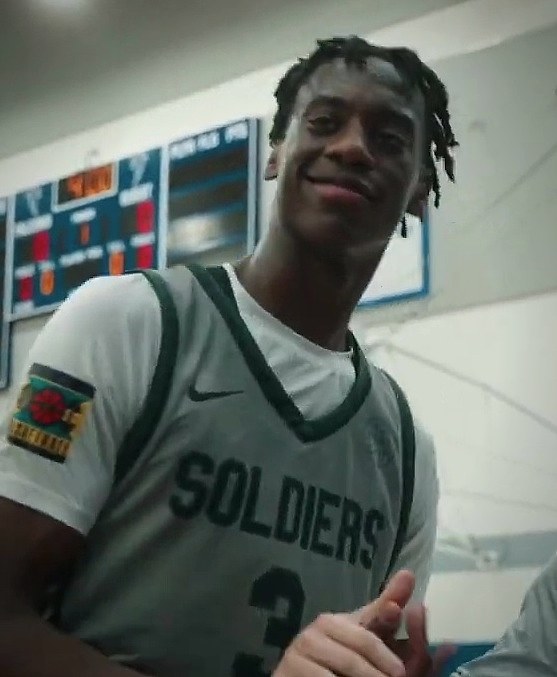
The 2026 NBA Draft Lottery takes place on May 10 at 3 p.m. ET in Chicago, airing on ESPN. Fourteen teams, every franchise that missed the 2026 playoffs, will find out where they pick in a draft class that scouts are calling one of the three or four deepest in recent memory. Three teams share the best odds at 14 percent each: the Washington Wizards, the Indiana Pacers, and the Brooklyn Nets. The prize, if any of them wins it, is the right to select AJ Dybantsa first overall.
This is also the last year the NBA runs the current lottery system. Starting in 2027, new anti-tanking format changes take effect. If you want to understand the ping-pong ball era, this is its final night.
How the lottery works
Fourteen numbered ping-pong balls are placed into a drum. Four balls are drawn, and the specific combination determines which team selects at each of the top four spots. There are 1,001 possible four-ball combinations. Each lottery team is assigned a number of combinations proportional to their odds. The team with the worst record gets the most combinations; the best team in the lottery gets the fewest.
Shop NBA Gear
As an Amazon Associate we earn from qualifying purchases.
After the top four picks are determined by the ping-pong draw, picks five through thirty follow reverse order of regular-season record. The lottery results are announced in a live broadcast that reveals picks in reverse order, building to the first-overall reveal.
The 2026 odds (top tier)
| Team | Odds at #1 | Top-4 probability |
|---|---|---|
| Washington Wizards | 14.0% | 52.1% |
| Indiana Pacers | 14.0% | 52.1% |
| Brooklyn Nets | 14.0% | 52.1% |
| Charlotte Hornets | 12.5% | 47.9% |
| Toronto Raptors | 10.5% | 42.3% |
| Portland Trail Blazers | 9.0% | 37.2% |
The three-way 14-percent tie at the top means the draw is genuinely wide open. More than half the lottery teams have at least a 20-percent chance to land in the top four. There is no safe assumption about where any specific player lands.
AJ Dybantsa
The consensus top prospect in the 2026 class is AJ Dybantsa, a 6’8” forward from BYU. Dybantsa played one year of college basketball after withdrawing from the 2025 draft declaration process, a decision that, evaluated in hindsight, positioned him as the clearest first-overall pick. He averaged 21.6 points, 8.7 rebounds, and 4.1 assists per game as a freshman on a BYU team that won 28 games.
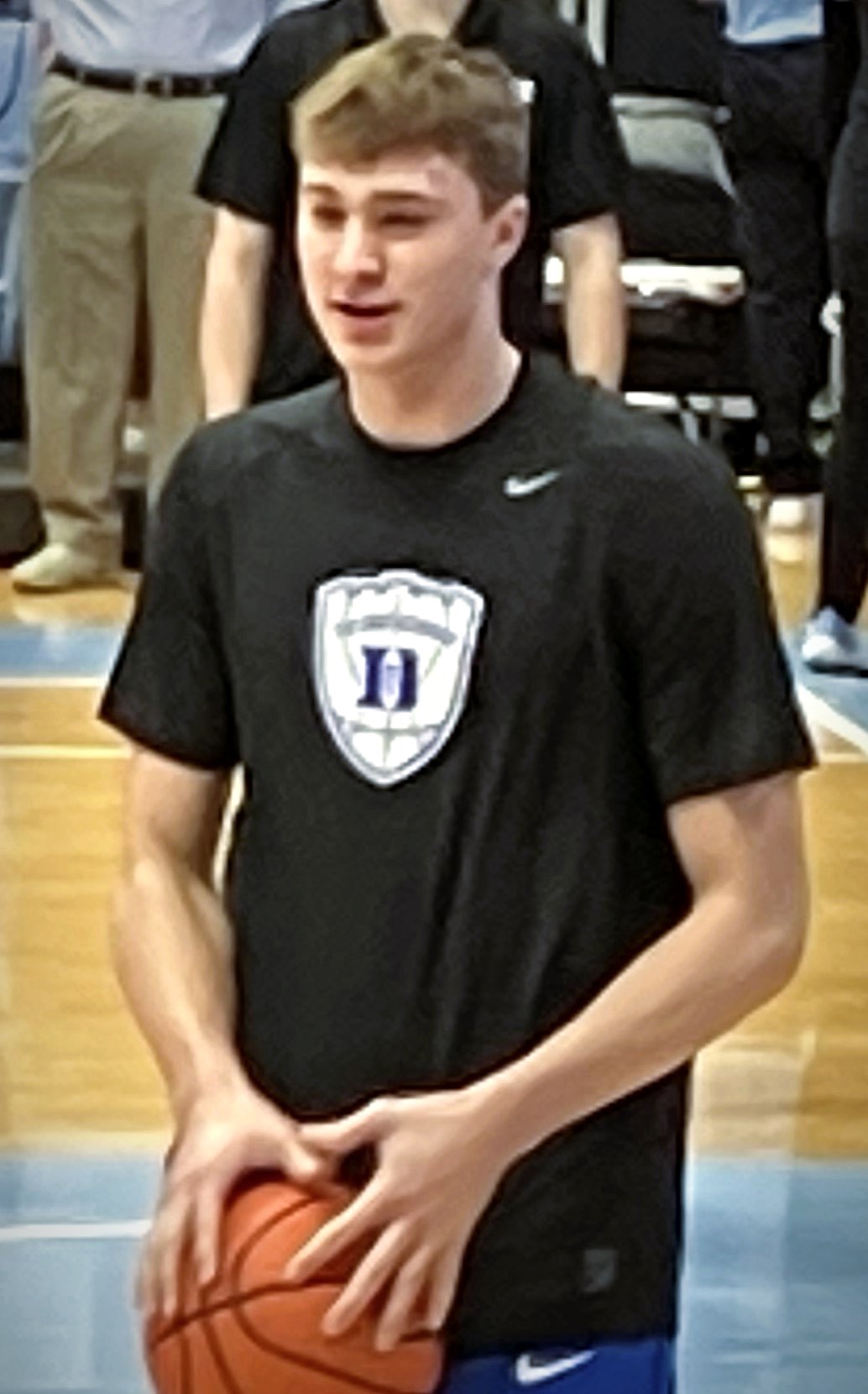
His game is built around a physical profile that is genuinely unusual for a wing: the combination of size, strength, and ball-handling that allows him to operate in pick-and-roll as the ball-handler, pull-up mid-range from the elbow, finish through contact, and guard positions one through four on defense. The comparison that appears most often in pre-draft scouting coverage is Paul George, not in style of play, but in positional versatility and two-way utility. Scouts who are bullish on him point to a ceiling closer to Kevin Durant: a player who can score from anywhere, in any situation, and who can guard the best player on the other team.
The questions are also familiar: he is 18 years old. His three-point shooting (33.8 percent at BYU) needs to improve at the NBA level. And the history of 6’8” college wings who are described as generational prospects is dotted with players whose ceilings proved lower than advertised.
He will go first overall to whoever wins the lottery.
Darryn Peterson and Cameron Boozer
Behind Dybantsa, scouts identify two more potential franchise players:
Darryn Peterson, a 6’5” guard from Kansas, averaged 18.9 points, 5.3 assists, and 3.9 rebounds in his freshman season. His separation between positions is the defining feature. He plays at a different pace than everyone else on the floor, using footwork and change-of-speed moves rather than raw athleticism to create shot opportunities. His ceiling discussion tends to run toward players like Dejounte Murray and Bradley Beal: two-way guards who can start on a playoff team for a decade.
Cameron Boozer, son of Carlos Boozer and (along with his twin brother Cayden) from the same Duke recruiting class that produced Cooper Flagg’s departure to the NBA. Cameron Boozer is a 6’9” power forward who averaged 15.4 points and 9.1 rebounds at Duke. His game is more conventional than Dybantsa’s. He lives in the paint, is excellent on the glass, and runs floor in transition. He’s not projected to go first. He might go second or third, and the team that takes him at that spot will get a player who fits next to almost any guard or wing they already have.
The teams with the most at stake
Washington Wizards: The Wizards made aggressive deadline moves in February, trading for both Trae Young and Anthony Davis in separate deals. The Anthony Davis situation is already generating offseason trade rumors. A first-overall pick gives the organization a choice: build around the pick, build around the Davis trade, or use the pick as an asset in a larger restructuring deal. The Wizards are in a complicated position, and the lottery result defines which direction they go.
Indiana Pacers: Indiana trades are usually conservative, and the Pacers’ lottery odds reflect a team that is still in the early phases of its rebuild after the Pascal Siakam era ended badly with his departure. They need this pick.
Brooklyn Nets: The Nets have been accumulating assets for three years. A first-overall pick in this class would be the biggest single return on that patient strategy.
The last ping-pong year
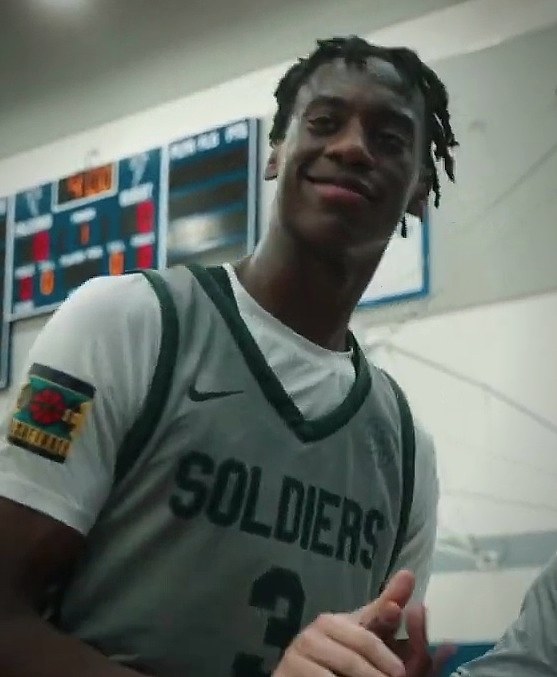
Starting in 2027, the NBA implements new lottery format changes designed to reduce the incentive to lose. The specifics of the new system vary depending on the source, but the effect is: teams that are mediocre-bad (20–30 wins) will have fewer lottery opportunities than they do under the current system, making multi-year tanking a less viable strategy.
The 2026 lottery is the final draw under the current rules. Whatever team wins it tonight will have benefited from a system that rewarded losing in a direct, mathematical way. The new system changes that equation, and the franchises that are currently at the bottom of the standings will need to find other paths to premium draft capital.
Tonight’s draw is at 3 p.m. ET.
Shop NBA Gear at Fanatics
As a Fanatics affiliate, we may earn a commission from qualifying purchases.
Shop on Amazon
- 2026 NBA Draft Lottery: AJ Dybantsa, the Wizards, and the Last Ping-Pong Ball Draw — books ↗
- NBA history books ↗
- Basketball training gear ↗
As an Amazon Associate, we earn from qualifying purchases.
Shop Basketball Shoes & Apparel at JD Sports
We may earn a commission from qualifying purchases on JD Sports.
Sources
- NBC Sports, '2026 NBA Draft Lottery: Schedule, history, each team's odds, lottery explained'
- Yahoo Sports, '2026 NBA Draft Lottery: Odds, date, time, top prospects, how it works, future format'
- NBA.com, 2026 NBA Draft Lottery Explainer
- NBA.com, 2026 NBA Draft
- Bleacher Report, '2026 NBA Mock Draft Round Up of Expert Picks' (May 2026)
- Sports Illustrated, 'The Five Teams With the Most at Stake Entering the 2026 NBA Draft Lottery'