Kentucky Wildcats Basketball
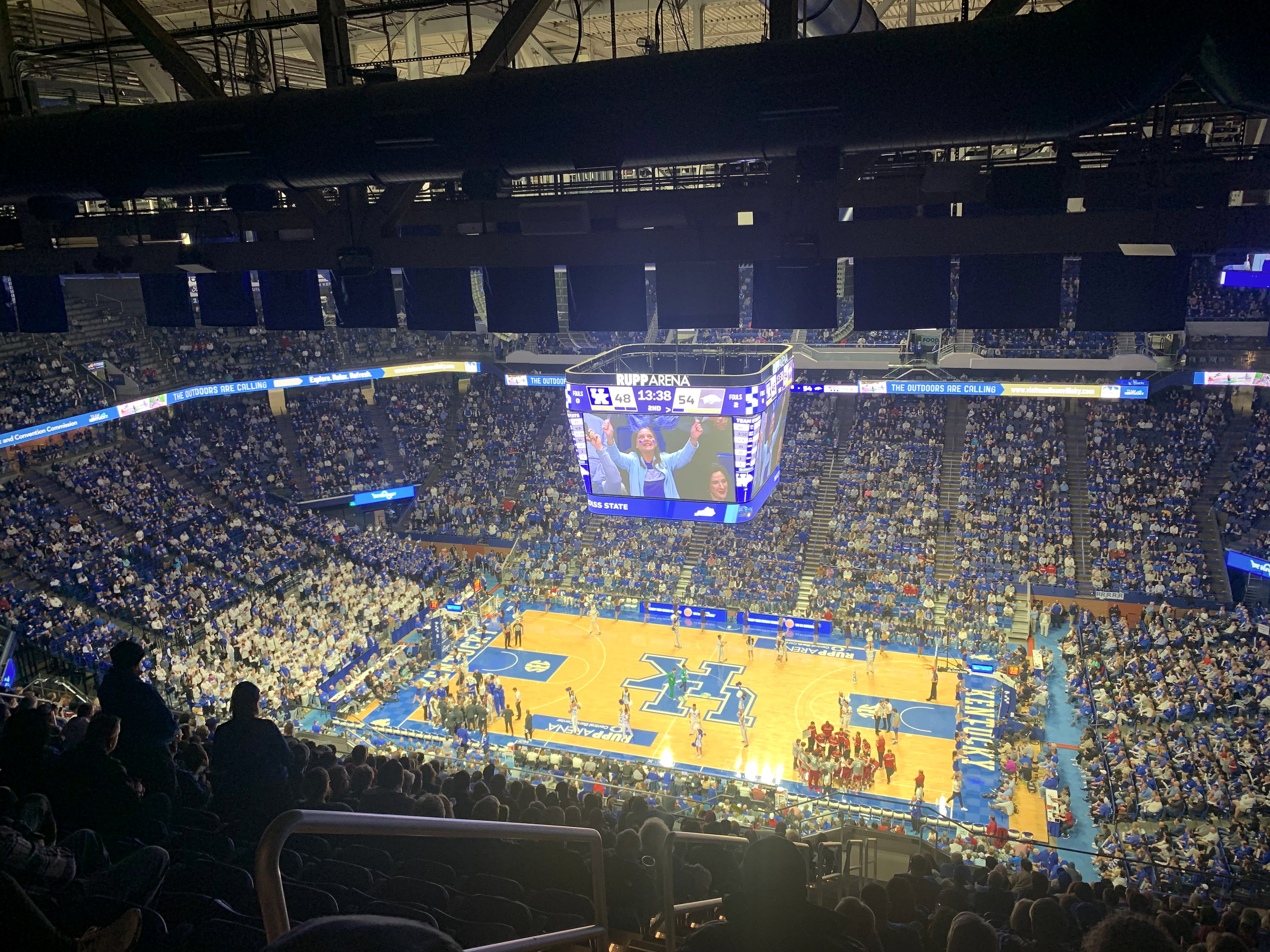
The University of Kentucky men’s basketball program has won eight NCAA championships (1948, 1949, 1951, 1958, 1978, 1996, 1998, 2012), leads all Division I programs in total regular-season wins, and has produced, in the John Calipari era of 2009 through 2024, more NBA first-round draft picks than any other college program in the period. The Wildcats play at Rupp Arena in Lexington, one of the largest dedicated college basketball venues in the country. The program’s institutional identity is, by a margin that is not close, the Adolph Rupp era, the 1966 loss to Texas Western, and the Calipari-era one-and-done pipeline. Each of those three chapters has been told elsewhere; this piece puts them in order.
The Adolph Rupp era (1930–1972)
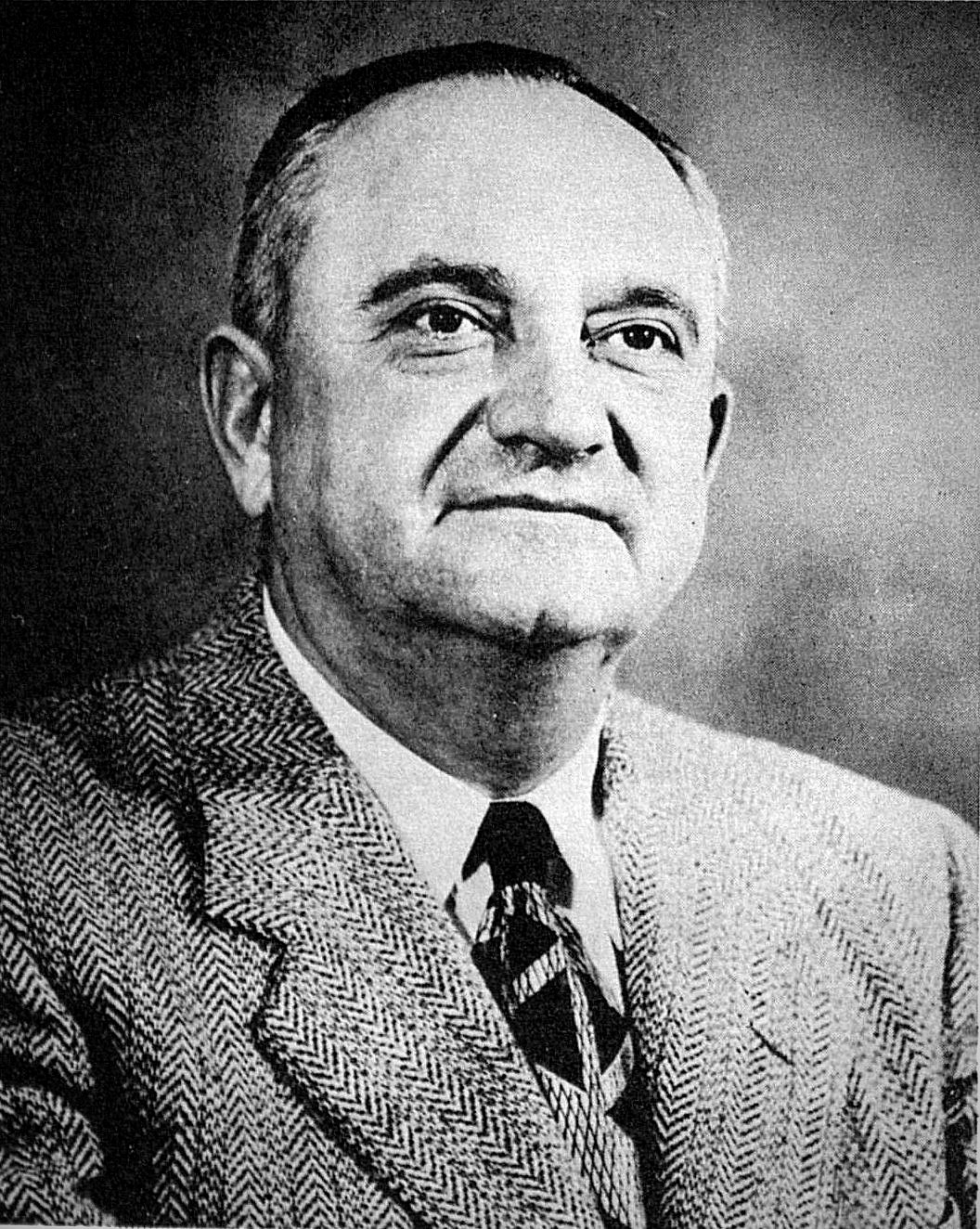
Adolph Rupp was hired in 1930 from Freeport High School in Illinois at age twenty-eight. He coached Kentucky for forty-two seasons. Across that tenure Kentucky won four NCAA championships (1948, 1949, 1951, 1958), four National Invitation Tournaments in the pre-NCAA era, twenty-seven SEC regular-season titles, and 876 games, which was then the most wins by any coach in NCAA history. The 1948 team, known as the “Fabulous Five” and led by Ralph Beard, Alex Groza, and Kenny Rollins, formed the entire U.S. men’s Olympic team for the 1948 London Games. The 1958 team, known as the “Fiddlin’ Five” for its unsettled rotation, won the championship despite entering the tournament unranked for most of the final polls.
The Rupp era was not the uncomplicated dominance the trophy case suggests. The 1948 and 1949 teams were affected by the 1951 college basketball point-shaving scandal, in which Kentucky players Ralph Beard, Alex Groza, and Dale Barnstable were banned from the NBA for life after pleading guilty to accepting payments to fix the 1949 NIT opening game against Loyola of Chicago. The NCAA suspended Kentucky basketball for the entire 1952–53 season, the first time the association had imposed a full-season program suspension. Rupp retained his job but the scandal shadowed the remainder of his career.
Shop Kentucky Wildcats merchandise
As an Amazon Associate we earn from qualifying purchases.
March 19, 1966: Texas Western
The single most-consequential game in Kentucky basketball history is the 1966 NCAA championship, played on March 19, 1966, at Cole Field House in College Park, Maryland. The Wildcats, ranked number one in both major polls, faced Texas Western College (now the University of Texas at El Paso), which had entered the tournament as a long-shot from a non-traditional region.
Texas Western coach Don Haskins started five Black players. Kentucky, following Rupp’s segregationist recruiting pattern of the period, started five white players. Texas Western won 72–65. The game is widely regarded as the single most-important event in the integration of college basketball, and it is the game that, more than any other single result, changed how Southern universities recruited Black players over the following decade. Frank Fitzpatrick’s 1999 book And the Walls Came Tumbling Down is the definitive account; Fitzpatrick reconstructs the Kentucky recruiting-staff notes from the 1966–67 cycle, which include an internal memo acknowledging that the program’s segregationist posture would not survive the 1966 loss.
Rupp retained his head-coaching position until 1972 but did not recruit a Black scholarship player to Kentucky during his tenure. The first Black player to sign a Kentucky scholarship was Tom Payne in 1969, under institutional pressure from the university’s board of trustees; Payne played one season before turning pro. The first Black player to make a sustained contribution was Kevin Grevey, who played for Joe B. Hall after Rupp’s retirement.
Joe B. Hall and the 1978 championship
Joe B. Hall, a former Rupp player and assistant, succeeded Rupp in 1972 and coached Kentucky for thirteen seasons. The 1977–78 Wildcats, led by Jack Givens (41 points in the final) and Rick Robey, won the NCAA championship in St. Louis with a 94–88 win over Duke. It was Kentucky’s first title in twenty years.
Hall’s career record was 297 wins and 100 losses. He retired after the 1984–85 season. The Hall era is remembered within Kentucky as the integration era, the fifteen-year window in which the program moved from Rupp’s all-white roster convention to what became, by the 1980s, a racially integrated program of the sort that every major Southern university had adopted by the decade’s end.
Eddie Sutton, the 1988 probation, and Rick Pitino
Eddie Sutton coached Kentucky from 1985 to 1989. His tenure ended in the 1988 NCAA probation for a payment-related violation involving Emery Air Freight and recruit Chris Mills. The probation included a two-year tournament ban and the loss of scholarships. It is the second-most-serious NCAA action in Kentucky’s history, after the 1952–53 suspension.
Rick Pitino took over for the 1989–90 season, brought the program back from probation, and reached the Elite Eight in 1992 and the Final Four in 1993. The 1995–96 team, known as “The Untouchables,” finished 34–2, defeated Syracuse 76–67 in the NCAA championship at the Meadowlands on April 1, 1996, and featured nine future NBA players (Tony Delk, Antoine Walker, Derek Anderson, Walter McCarty, Ron Mercer, Mark Pope, Wayne Turner, Nazr Mohammed, Jeff Sheppard). Pope is now, in 2024, the program’s head coach.
Pitino left for the Boston Celtics after the 1996–97 season. His successor Orlando “Tubby” Smith won the 1998 NCAA championship in his first season, defeating Utah 78–69 in the final. Smith, the first Black head coach in Kentucky men’s basketball history, coached the program for ten seasons before leaving for Minnesota in 2007. Billy Gillispie coached the 2007–08 and 2008–09 seasons and was dismissed after the program missed the 2009 NCAA Tournament, the first time Kentucky had missed the tournament since 1991.
John Calipari and the one-and-done era (2009–2024)
John Calipari was hired in April 2009 after eight seasons at Memphis. He coached Kentucky for fifteen seasons. The Calipari era is the post-2006 one-and-done era in college basketball, the period in which the NBA’s one-year-out-of-high-school eligibility rule produced a generation of elite freshmen who played exactly one college season before entering the draft. Calipari’s recruiting strategy explicitly embraced the one-and-done model. The result, across fifteen seasons, was the single highest rate of NBA draft-pick production by any college program in the era.
The roster that defines the Calipari era is 2011–12: Anthony Davis, Michael Kidd-Gilchrist, Marquis Teague, Terrence Jones, Darius Miller, Doron Lamb, Kyle Wiltjer. The team went 38–2. It won the NCAA championship on April 2, 2012, beating Kansas 67–59 at the Mercedes-Benz Superdome in New Orleans. Davis had six points on 1-of-10 shooting but dominated defensively with sixteen rebounds, six blocks, and five assists, a rare Final Four MVP performance won on defense alone. It was Kentucky’s eighth NCAA championship.
The 2014–15 team went 38–1, the best single-season record in Division I history, and lost in the Final Four to Wisconsin 71–64. The roster included Karl-Anthony Towns, Willie Cauley-Stein, Devin Booker, and the Harrison twins. Six players from the 2014–15 roster entered the 2015 NBA Draft; four were selected in the first round.
Across the Calipari years, Kentucky produced first-overall draft picks John Wall (2010), Anthony Davis (2012), and Karl-Anthony Towns (2015); first-round picks DeMarcus Cousins, Eric Bledsoe, Brandon Knight, Jamal Murray, De’Aaron Fox, Malik Monk, Bam Adebayo, Kevin Knox, Shai Gilgeous-Alexander, PJ Washington, Tyler Herro, Keldon Johnson, and Immanuel Quickley, among others. No other program in the period produced more than half that list.
The post-Calipari era, April 2024 onward
Calipari departed for Arkansas on April 9, 2024, after fifteen seasons in Lexington. He left with a career record at Kentucky of 410 wins and 123 losses, four Final Four appearances, and the 2012 NCAA championship. The decision surprised no one inside the program; the final three Calipari seasons had produced a first-round tournament exit in 2022, a no-tournament 2023 season, and a second-round 2024 exit, and the program’s internal culture had been in a multi-year critical-coverage phase.
Mark Pope, a member of the 1996 Untouchables and head coach at BYU, was hired on April 12, 2024. Pope’s first season at Kentucky, 2024–25, is the opening of what the program internally refers to as a reset, with a roster heavily restocked through the NCAA transfer portal and a return to a more system-heavy offensive scheme compared to the Calipari era’s heavy isolation-possession tendencies.
Rupp Arena, and the Lexington basketball culture
Rupp Arena has been Kentucky’s home since 1976, replacing Memorial Coliseum (which the program used from 1950 to 1976). The arena, named for Rupp four years after his retirement, is adjacent to the downtown Lexington Convention Center. Its current seating capacity is approximately 20,500, among the largest in college basketball.
The “Big Blue Nation” fan base is, by every available metric, the most geographically-dispersed single college-sports fan base in the country. A 2019 Lexington Herald-Leader analysis using Nielsen regional-broadcast data found that Kentucky basketball games drew higher in-home television ratings than any other college sports property in at least six non-Kentucky states, including Tennessee, West Virginia, and Indiana. The program’s national-championship banners, displayed at Rupp Arena, include eight NCAA titles, the full list documented in the Wildcats’ media guide.
All-time coaching record
The Kentucky head-coaching roster since 1930: Adolph Rupp (1930–1972, 876–190), Joe B. Hall (1972–1985, 297–100), Eddie Sutton (1985–1989, 88–39), Rick Pitino (1989–1997, 219–50), Tubby Smith (1997–2007, 263–83), Billy Gillispie (2007–2009, 40–27), John Calipari (2009–2024, 410–123), Mark Pope (2024–present). Every long-tenure Kentucky coach since 1948 has won at least one NCAA or NIT championship, with the exceptions of Sutton (who took the probation hit early in his tenure) and Gillispie.
Gear
Browse The Book of Basketball for the NBA careers that started in Lexington.
The Book of Basketball on Amazon →
Sources
- University of Kentucky Athletics, men’s basketball records and media guide (2024–25)
- NCAA men’s basketball tournament records, all Kentucky championship games (1948, 1949, 1951, 1958, 1978, 1996, 1998, 2012)
- Frank Fitzpatrick, And the Walls Came Tumbling Down: Kentucky, Texas Western, and the Game That Changed American Sports (Simon & Schuster, 1999)
- NCAA infractions committee reports, 1952 (Kentucky suspension), 1988 (Emery Air Freight / Chris Mills case)
- Kentucky head-coaching tenure records (Rupp, Hall, Sutton, Pitino, Smith, Gillispie, Calipari, Pope)
- 2012 NCAA Tournament Final Four box score, Kentucky vs Kansas, April 2, 2012
- Lexington Herald-Leader, 2019 analysis of national fan-base distribution
Shop NBA Gear at Fanatics
As a Fanatics affiliate, we may earn a commission from qualifying purchases.
Shop on Amazon
As an Amazon Associate, we earn from qualifying purchases.
Shop Basketball Shoes at JD Sports
We may earn a commission from qualifying purchases on JD Sports.