Victor Wembanyama's 12-Block Game: The New NBA Playoff Blocks Record
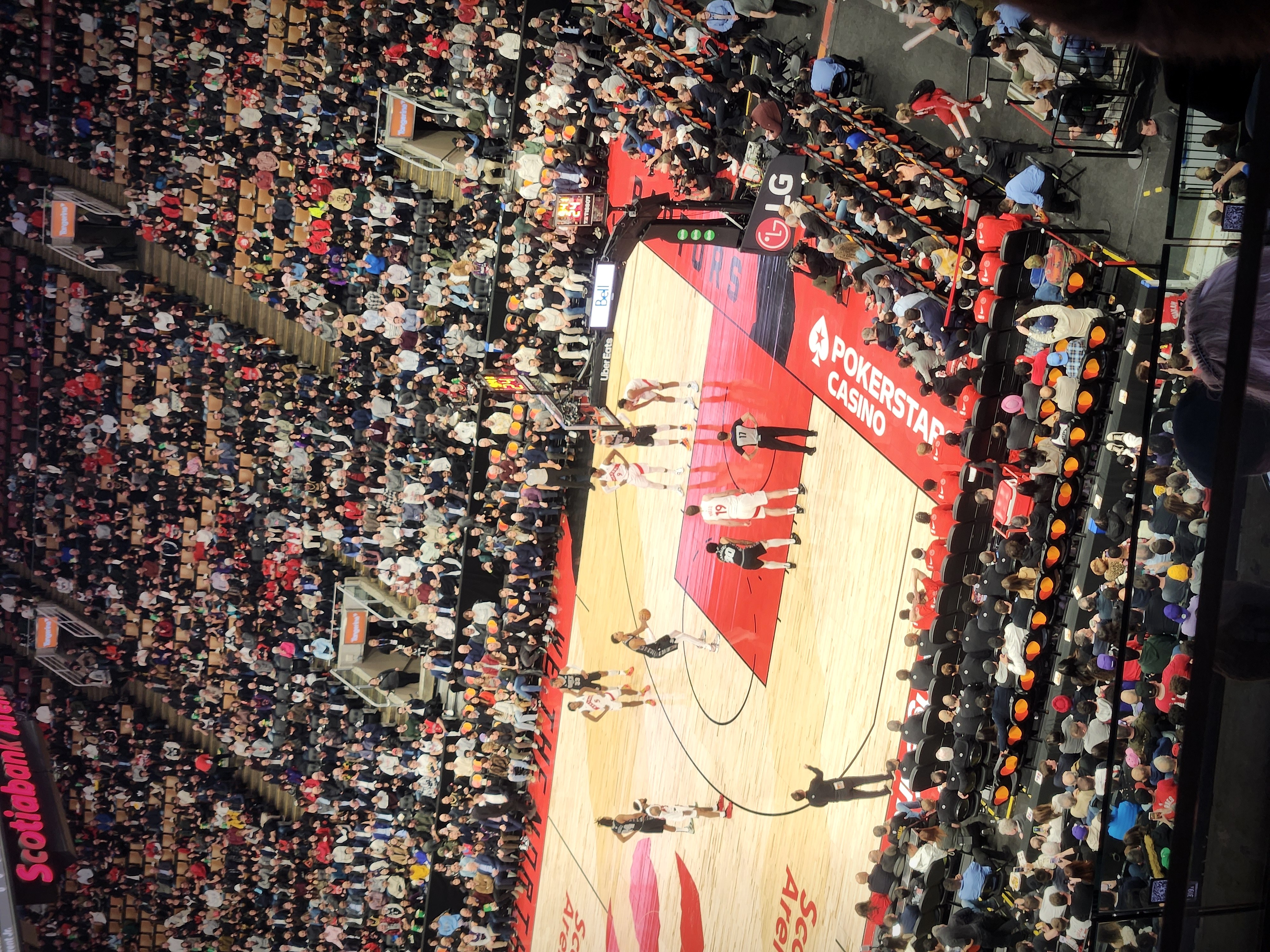
On May 5, 2026, in Game 1 of the Western Conference Semifinals between the San Antonio Spurs and the Minnesota Timberwolves at Frost Bank Center in San Antonio, Victor Wembanyama blocked 12 shots. It was the most blocks by any player in any single NBA playoff game in the league’s history. The previous record was 10, shared by three players: Andrew Bynum (2012), Hakeem Olajuwon, and Mark Eaton.
The Spurs lost the game, 104–102. Wembanyama went 5-of-17 from the field, 0-of-8 from three, and finished with 11 points, 15 rebounds, and the 12 blocks. The defense was historically dominant. The offense was bad. They lost anyway.
That tension, a record that produced a loss, is worth sitting with for a moment before moving on to the list.
Shop NBA Gear
As an Amazon Associate we earn from qualifying purchases.
The game itself
Minnesota came in as the higher seed. Anthony Edwards had missed nine days with a knee bone bruise, and he played 25 minutes off the bench in Game 1, scoring 18 points on 8-of-13 shooting. Julius Randle started and led the Timberwolves with 21 points and 10 rebounds.
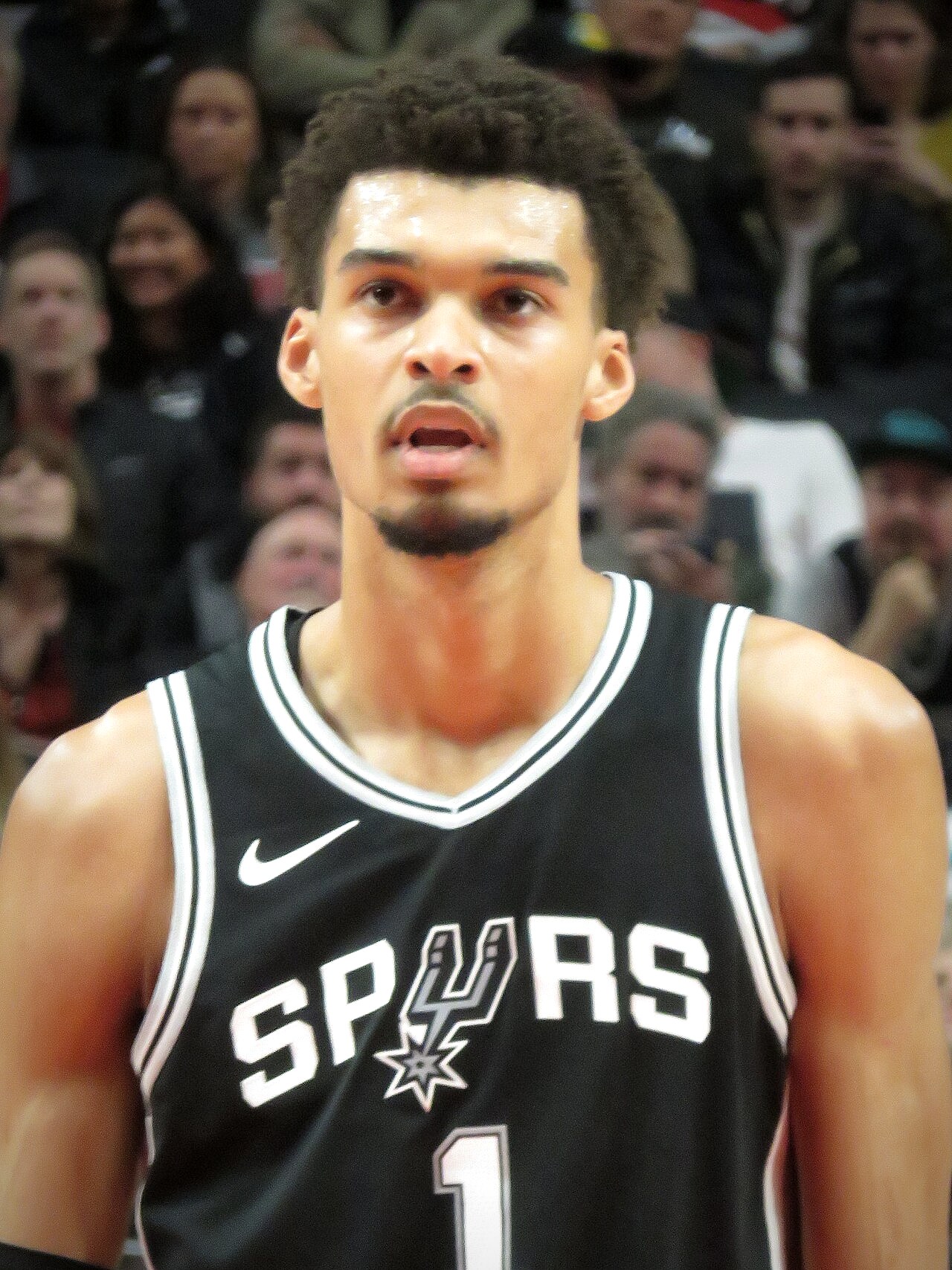
Wembanyama spent the game mostly operating in a drop coverage, sitting at the level of the lane and daring Minnesota’s guards to beat him off the dribble. The Timberwolves couldn’t. He altered more shots than the 12 official blocks, several close-range attempts by Minnesota went up and off the back of the rim in ways that don’t get credited to a defender but that a seven-foot-four rim protector parked at the basket explains pretty well.
San Antonio’s offense was the problem. They shot 5-of-19 from three. Their half-court sets broke down repeatedly. Wembanyama’s 0-for-8 from beyond the arc is the ugliest single line in a game that was otherwise his finest defensive hour.
The final margin was two points. A Timberwolves lead that was as large as six in the final two minutes. San Antonio had several chances to tie in the last 30 seconds and couldn’t convert.
What the record means
12 blocks in a playoff game is, to put it plainly, not something that should be possible. The prior record of 10, by Bynum in 2012, held jointly with Olajuwon and Eaton, was itself so far ahead of normal as to be almost fictional. Most elite shot-blockers in playoff history peak around 6–8 in a single game on their best nights. Dikembe Mutombo, David Robinson, Alonzo Mourning, the big centers of the 1990s, rarely reached 8. Shaquille O’Neal’s playoff career high was 7.
Wembanyama at 22 years old, in his third NBA season, cleared 10 by a margin that no one had come close to before.
The blocks record is partly a function of the defense-first game plan San Antonio ran. The Spurs, knowing they needed to contain Edwards and a Timberwolves offense built on transition and pick-and-roll, funneled nearly everything toward the paint. That strategy created opportunities for a record. It also produced 5-of-17 shooting for the player it was built around. The cause-and-effect relationship between his defensive workload and his offensive cold spell is not accidental.
Every NBA playoff single-game blocking performance in the top tier
| Blocks | Player | Team | Series | Year |
|---|---|---|---|---|
| 12 | Victor Wembanyama | San Antonio Spurs | WCF Semis vs. Minnesota | 2026 |
| 10 | Andrew Bynum | Los Angeles Lakers | First Round vs. Denver | 2012 |
| 10 | Hakeem Olajuwon | Houston Rockets | Various games | 1990s |
| 10 | Mark Eaton | Utah Jazz | First Round | 1985 |
| 9 | Patrick Ewing | New York Knicks | - | 1990s |
| 9 | Manute Bol | - | - | 1980s |
| 8 | Multiple players | - | - | - |
Eaton’s original 10-block game in 1985 against the Dallas Mavericks held the record for twenty-seven years before Bynum matched it in 2012 in a five-game first-round series against Denver. Bynum’s version came in a game where Dwight Howard scored 19 but L.A. won. Olajuwon reached 10 at least once in his peak Houston years.
Wembanyama did not just break the record. He cleared it by two blocks and added 15 rebounds. Including assists and blocks together, his defensive stat line (12 BLK, 1 AST) was more impactful on the final score than most players produce with their entire offensive game.
Context: Wembanyama’s 2026 playoffs
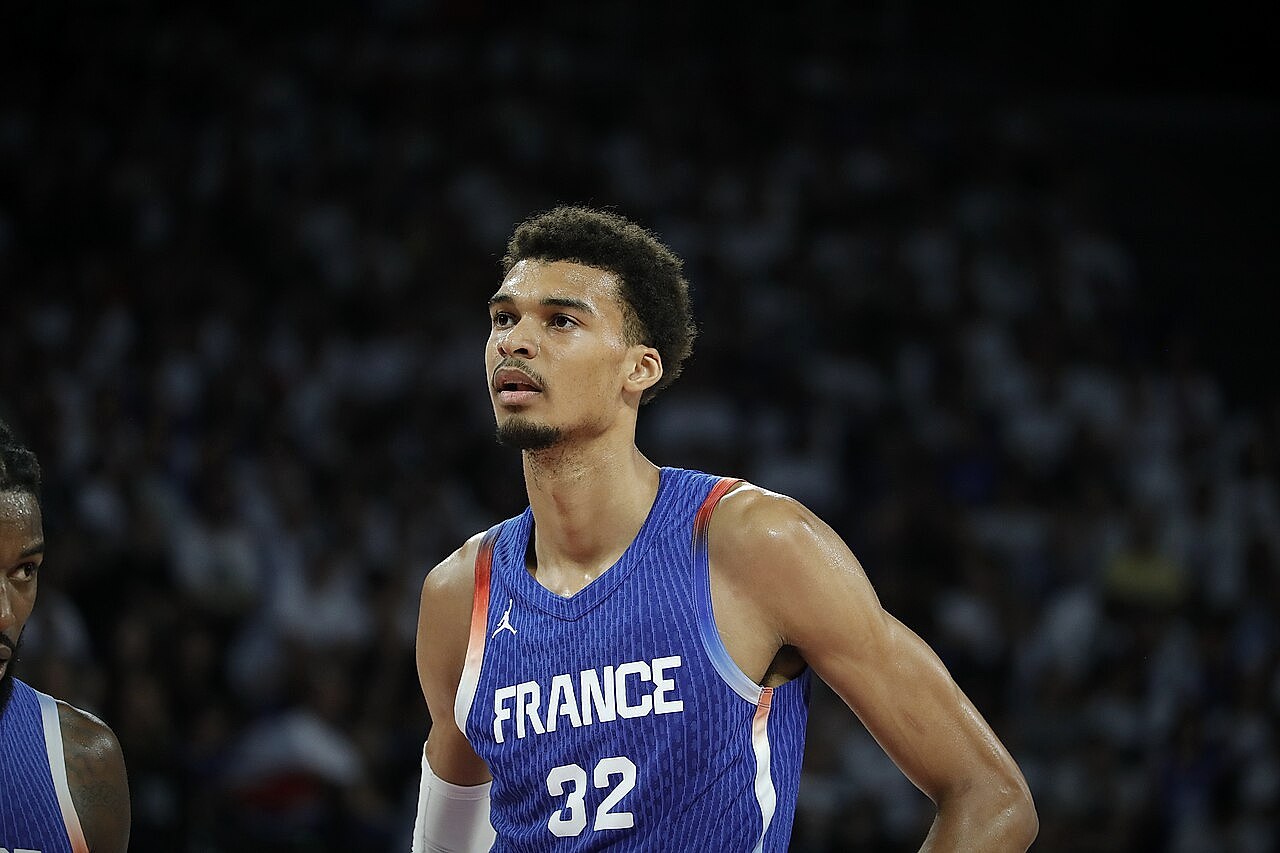
The 12-block game came in Game 1 of San Antonio’s second-round series. Before that, in the first-round sweep of the Portland Trail Blazers, Wembanyama averaged 31.5 points, 13.0 rebounds, and 5.3 blocks, setting a franchise playoff debut record by scoring 35 in Game 1 (surpassing Tim Duncan’s record of 32).
In that same first-round run, he became the fourth player in NBA postseason history to record 35+ points, 15+ rebounds, and 5+ blocks in a single game, joining a list that included Shaquille O’Neal, Hakeem Olajuwon, and Kareem Abdul-Jabbar.
Across the entire 2026 postseason through Game 1 of the Spurs-Wolves series, he was averaging 19.0 points, 10.0 rebounds, and 5.6 blocks per game. That blocks average, if sustained across a full playoff run, would be roughly twice the highest career postseason blocks-per-game average in NBA history. It is not going to be sustained, no one runs that kind of number across four or six rounds, but it is the appropriate context for what the 12-block game sits inside.
The Spurs’ series
San Antonio lost Game 1. As of this writing, the series continues at 1-0 Minnesota. The Spurs have one of the three or four most impactful individual players in the league at 22, a defense that can generate historic individual performances, and an offense that, on May 5, 2026, was not capable of winning a game by two points despite getting 12 blocks from their center.
That gap, historically great defense, underdeveloped half-court offense, is the thing Gregg Popovich’s successor on the Spurs’ bench has to solve for this series and for the next few seasons.
How rare 10-plus block games actually are
To understand what Wembanyama did, it helps to count how often 10-plus block games have happened in the entire history of NBA playoff basketball. The answer is: three times before May 5, 2026. Eaton in 1985. Olajuwon at least once in the early 1990s. Bynum in 2012.
Three times in roughly 50 years of tracked playoff shot-blocking. Then Wembanyama at 22 years old, in his third season, cleared 10 by two.
The 9-block games are almost as rare. Patrick Ewing got there once. Manute Bol once in the 1980s. Players like Mutombo and Robinson, who were the best shot-blockers of their generation, never reached 9 in a playoff game. Shaquille O’Neal, who made three All-Defensive First Teams and whose size and athleticism combination was considered unprecedented at the time, peaked at 7 blocks in a single playoff game.
So the question of “can this happen again” is partly a question about how rare Wembanyama’s specific physical profile is. The answer, based on 50 years of playoff data, is that nobody has ever been able to produce these numbers with any regularity. Even the players who set the 10-block record did it once each in an entire career.
What this implies about his long-term defensive trajectory
Wembanyama is 22. Most elite shot-blockers peak in their late 20s, when the combination of physical prime and defensive experience aligns. Olajuwon was 27 in his first championship year and 28 in the second. Robinson was 32 in his last peak defensive season. Duncan’s defensive numbers held through age 35.
If Wembanyama develops at the rate his first three seasons suggest, he is entering the phase of his career where the physical tools he already has get paired with the positional knowledge and game-reading that only comes from repetition. The 2026 playoffs are, in that framing, early. He is still learning how to use what he has.
The historical comps at his position after three seasons don’t hold at all. No previous player was producing 5-plus blocks per postseason game in their third year. If his trajectory follows something like the Olajuwon arc, the peak is still four or five years away.
The blocks record is settled. At 12, it may stand for a generation. The deeper record, whether he becomes the greatest defensive player in NBA history outright, is what the next decade is about. The 2026 Game 1 performance is a data point. It is a large one.
Shop NBA Gear at Fanatics
As a Fanatics affiliate, we may earn a commission from qualifying purchases.
Shop on Amazon
As an Amazon Associate, we earn from qualifying purchases.
Shop Basketball Shoes at JD Sports
We may earn a commission from qualifying purchases on JD Sports.
Sources
- StatMuse, Victor Wembanyama 2026 Playoff Stats
- Yahoo Sports, 'Victor Wembanyama sets NBA postseason record with 12 blocks but can't lead Spurs past Timberwolves in Game 1' (May 5, 2026)
- NBA.com, 'Victor Wembanyama sets NBA single-game playoff blocks record'
- Fox News Sports, 'Victor Wembanyama sets NBA playoff record with 12 blocks in loss' (May 5, 2026)
- Basketball-Reference, NBA Playoff Single-Game Blocks Leaders
- Olympics.com, 'NBA Playoffs 2026: Victor Wembanyama joins Shaq, Hakeem and Kareem in the record books'