The Decision: LeBron James and the 2010 Miami Move
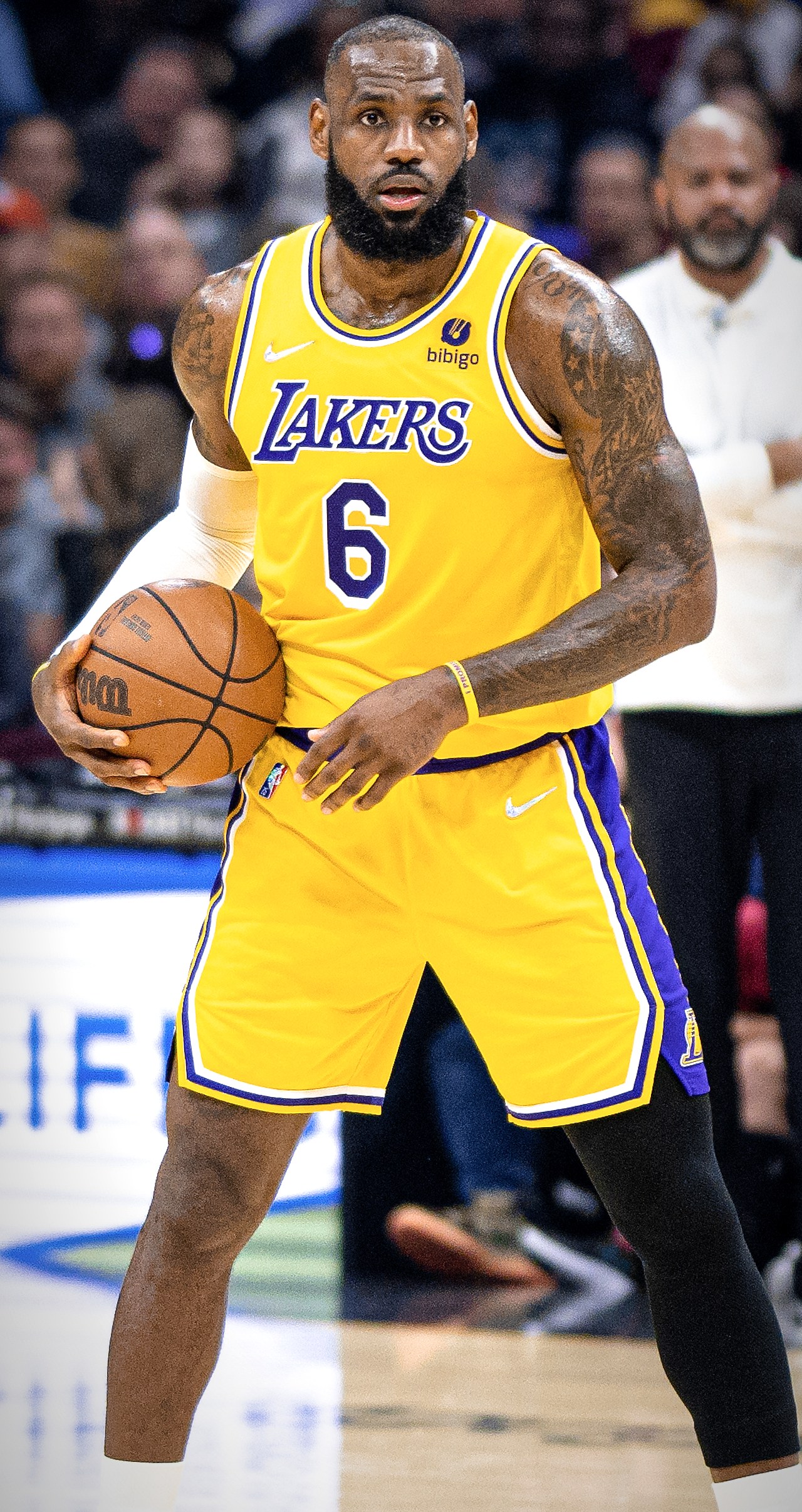
At 9 p.m. Eastern on July 8, 2010, a twenty-five-year-old LeBron James sat down with ESPN’s Jim Gray in a gymnasium at the Boys & Girls Club of Greenwich, Connecticut, and told roughly 9.9 million viewers that he was “going to take my talents to South Beach.” The full story of his career, from Akron through the Miami years, the return to Cleveland, and the Laker era, is told in LeBron by Jeff Benedict (Avid Reader Press, 2023), currently the most detailed single-volume account of his life. The announcement, the broadcast that carried it, and the response from Cleveland are the most commented-on free-agent events in American professional sport. The Miami Heat signed him the next morning. Dan Gilbert, the Cleveland Cavaliers owner, posted an open letter to fans in Comic Sans within the hour. Cleveland burned jerseys. The NBA launched an inquiry into whether Wade, Bosh, and James had improperly coordinated during the 2008 Olympics (the league never formally ruled on it). None of that was unforeseeable. All of it reshaped the next decade of the sport.
The free-agent context
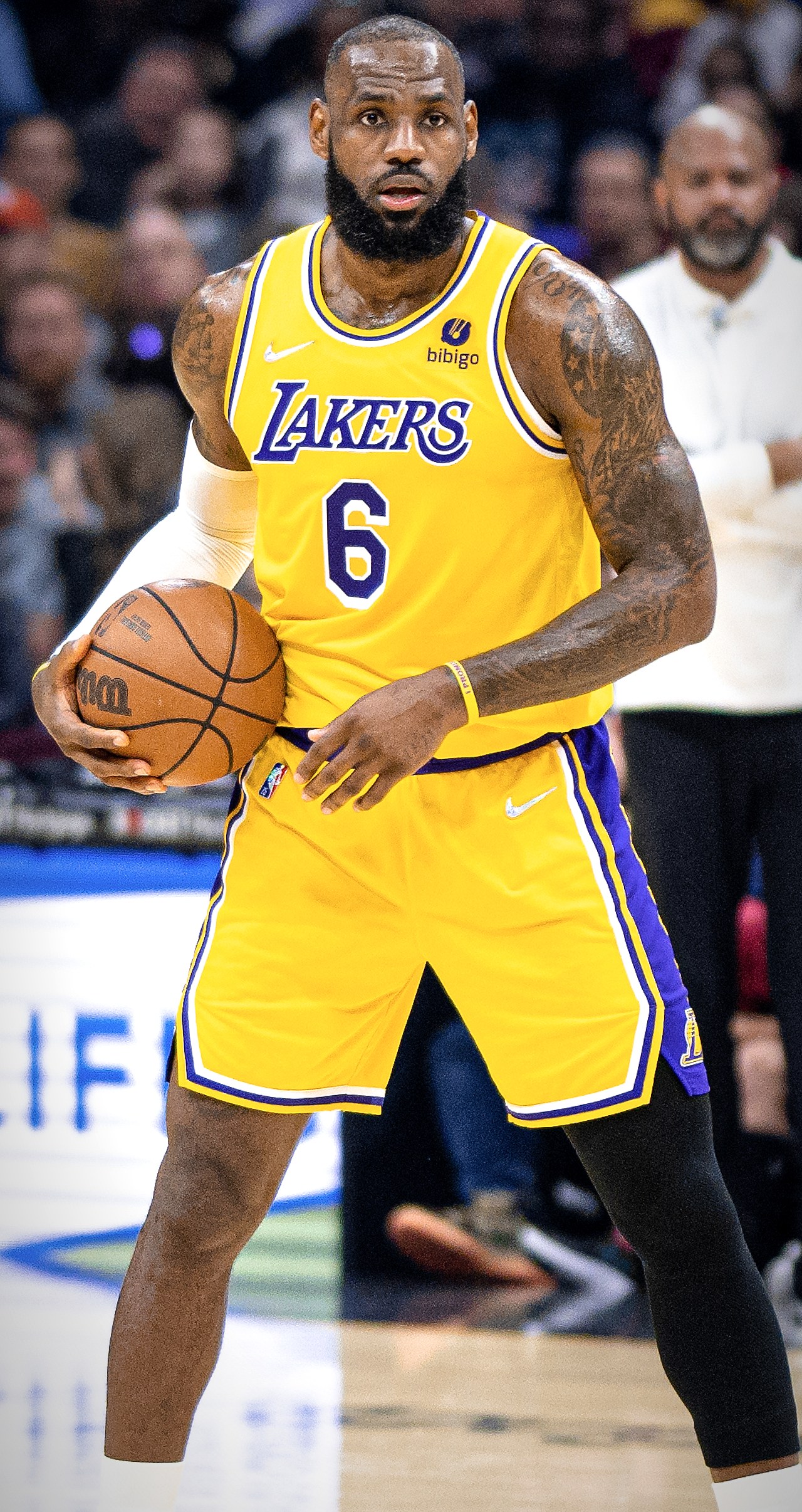
James had been drafted first overall by the Cleveland Cavaliers in 2003 out of St. Vincent–St. Mary High School in Akron, Ohio. In seven seasons in Cleveland he had won back-to-back regular-season MVPs (2008–09, 2009–10), taken the Cavaliers to the 2007 NBA Finals (losing 4–0 to the San Antonio Spurs), and failed to win a championship. The 2009–10 Cavaliers had been eliminated in the second round of the playoffs by the Boston Celtics in six games, a series in which James had been widely criticized for the team’s Game 5 loss at home and, in later reporting, had been quietly struggling with a strained right elbow.
The 2010 free-agency class was the deepest in modern NBA history: James, Dwyane Wade, Chris Bosh, Joe Johnson, Amar’e Stoudemire, Dirk Nowitzki (who re-signed in Dallas), Paul Pierce (re-signed Boston), and Carlos Boozer. Miami had, through three years of salary-cap engineering by Pat Riley, cleared enough space to sign two maximum-contract free agents. By the time the 2010 moratorium opened on July 1, Miami had internally committed to signing Bosh and Wade together, and was, in effect, offering James the third maximum-contract slot on a team that already had two stars.
Shop NBA Gear
As an Amazon Associate we earn from qualifying purchases.
The broadcast
The 75-minute ESPN special, titled simply The Decision, aired at 9 p.m. Eastern on Thursday, July 8, 2010, from the Boys & Girls Club gymnasium in Greenwich. James had chosen Greenwich because his business partner Maverick Carter’s production company LRMR had pitched ESPN on the one-off broadcast with the condition that proceeds would be donated to the Boys & Girls Clubs of America. The final donation number was $2.5 million, raised primarily from advertising sold into the special. Jim Gray was the interviewer. Gray has said in subsequent interviews that he was told the decision itself only ninety seconds before the broadcast began.
The announcement came at roughly 9:28 p.m. Eastern, approximately 28 minutes into the special. Gray: “What is the decision?” James: “In this fall, man, this is very tough. In this fall I’m going to take my talents to South Beach and join the Miami Heat.” The phrase “take my talents to South Beach” had not been in Gray’s pre-broadcast notes. It became, within twenty-four hours, one of the most-parodied sports catchphrases of the decade.
The 9.9 million viewers on ESPN, per Nielsen’s same-night numbers, made The Decision the most-watched cable broadcast of 2010 up to that point, behind only the Olympic hockey gold-medal game in overall ratings for the calendar year. The broadcast itself was, by every subsequent review, produced unevenly: long stretches of unscripted small talk between James and Gray, commercial breaks that cut away from the narrative at awkward moments, a sound mix that made some of James’s comments inaudible. The production has been widely described as the reason the critical reception was so harsh. The content of the announcement was a business move; the format made it seem like an ego move.
The Dan Gilbert letter
Within roughly thirty minutes of the broadcast ending, Cavaliers owner Dan Gilbert posted an open letter to Cavaliers fans on the team’s official website. The letter, on an HTML page with the title “Letter from the Cavaliers’ majority owner,” was composed in Comic Sans MS (not Comic Sans-adjacent, as earlier reporting said; the exact CSS font family was Comic Sans MS, cursive, sans-serif). The key passages:
“As you now know, our former hero, who grew up in the very region that he deserted this evening, is no longer a Cleveland Cavalier. This was announced with a several-day, narcissistic, self-promotional build-up culminating with a national TV ‘special’ of his ‘decision’ unlike anything ever ‘witnessed’ in the history of sports and probably the history of entertainment.”
And, later:
“I PERSONALLY GUARANTEE THAT THE CLEVELAND CAVALIERS WILL WIN AN NBA CHAMPIONSHIP BEFORE THE SELF-TITLED FORMER ‘KING’ WINS ONE.”
The guarantee did not hold. The Miami Heat won NBA championships in 2012 and 2013 with James as Finals MVP of both. The Cavaliers did not win a championship until 2016, after James had returned to Cleveland. The letter remained on the Cavaliers’ website until June 2014, at which point it was quietly removed. It has not been reposted. The archived version is available on the Wayback Machine.
The jersey burnings, and the Cleveland reaction
On the evening of July 8 and through the following weekend, videos circulated of Cleveland fans burning James’s Cavaliers jerseys on Cleveland-area sidewalks. At least seven separate jersey-burning videos were uploaded to YouTube within forty-eight hours of the broadcast, per the Internet Archive’s video-index records. The most-viewed single clip, posted to YouTube on July 9, 2010, showed a fan on East 9th Street near Quicken Loans Arena lighting a number-23 jersey on fire with a kitchen lighter. The clip had passed two million views by mid-August 2010.
The mayor of Cleveland at the time, Frank Jackson, did not issue a public comment on the burnings. City police logged no fire-department calls directly related to the protests. The Quicken Loans Arena team-store display of James memorabilia was taken down the day after the announcement.
The Heat “Welcome Party,” July 9, 2010
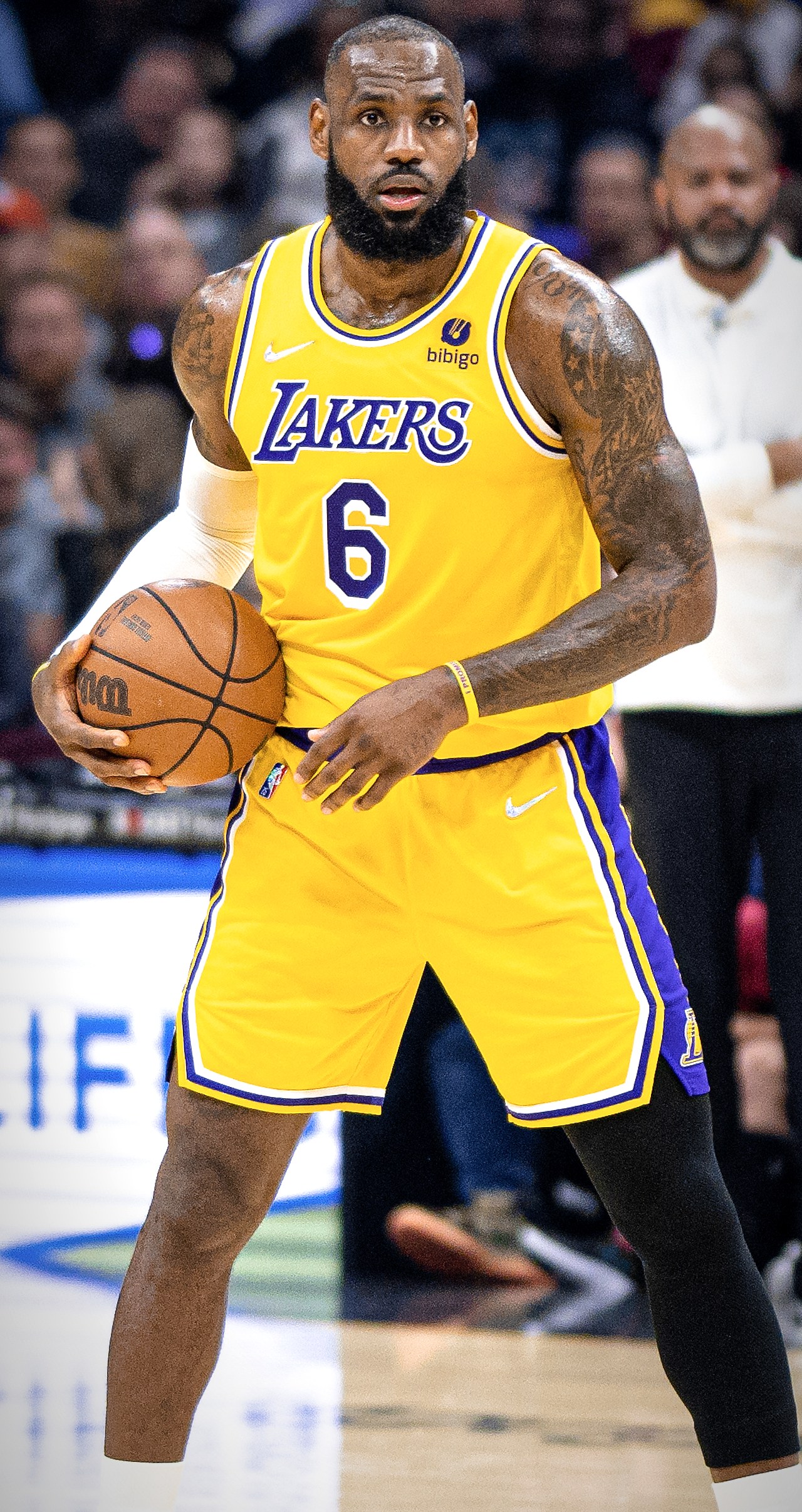
The day after the ESPN broadcast, the Miami Heat held a welcome event at the American Airlines Arena. James, Wade, and Bosh were introduced to a sellout crowd with pyrotechnics and music. During his remarks, James said, referring to championships the three would win together: “Not two, not three, not four, not five, not six, not seven.” The line, delivered by a visibly excited twenty-five-year-old on a stage with two teammates he had just joined, was replayed repeatedly over the next four years as Miami fell short of the higher numbers.
The actual Miami championship count across the four-year Big Three era (2010–11 through 2013–14): two titles (2012 vs Oklahoma City, 2013 vs San Antonio), two Finals losses (2011 vs Dallas, 2014 vs San Antonio). Four consecutive Finals appearances. By any competitive measure, the signing was a success. By the “not one, not two” yardstick James set at the welcome event, it was a miscalibration.
The four seasons, and the two rings
The 2010–11 season opened with the Heat at 9–8 through mid-December and a televised critical spiral around the “Big Three can’t play together” narrative. They finished 58–24. They lost the 2011 Finals to the Dallas Mavericks in six games, in a series in which James averaged 17.8 points and was visibly tentative in fourth quarters. The 2010–11 Finals remains the single chapter of James’s career that has drawn the most retrospective analysis; it is also, by his own later telling, the series that reset his offensive approach for the 2011–12 season.
The 2011–12 Heat won 46 games in the lockout-shortened schedule and beat Oklahoma City in five in the Finals. James was Finals MVP with 28.6 points, 10.2 rebounds, 7.4 assists per game. The 2012–13 Heat went 66–16, including a 27-game winning streak, and beat San Antonio in seven in the Finals, the series decided by Ray Allen’s right-corner three with 5.2 seconds left in regulation of Game 6. Miami lost the 2014 Finals to San Antonio in five games. James opted out of his contract on June 24, 2014, and signed with the Cavaliers on July 11.
The 2014 return: the Sports Illustrated essay
On July 11, 2014, Sports Illustrated’s Lee Jenkins published a first-person essay by LeBron James titled “I’m Coming Home.” The essay, drafted through roughly three weeks of interviews with Jenkins, announced the return to Cleveland. It was a deliberately different format from the 2010 broadcast, shorter, written in the first person, released in a print-and-digital publication rather than a live TV special. The opening paragraph referenced his Akron upbringing, the 2010 departure, and the ambition to bring a championship to Cleveland.
The 2016 Cavaliers won the NBA championship in seven games over the 73-win Golden State Warriors, in a series in which Cleveland came back from 3–1 down, and James was Finals MVP. It was the first major professional sports championship for any Cleveland team since the Browns’ 1964 NFL title. The Gilbert letter had been taken down two years earlier; by 2016 it had not, publicly, been re-engaged by either party.
The cultural footprint
The Decision accelerated three distinct structural changes in the league. First, the rise of the superteam as an acceptable free-agency pattern: Brooklyn’s 2013 three-trade, Golden State’s 2016 Durant signing, the 2019 Lakers Davis trade, and the 2019 Clippers Leonard-George signing all borrow, structurally, from the 2010 Miami model. Second, the shift in decision-making power from front offices to star players, a shift that the 2011 NBA Collective Bargaining Agreement (signed in late 2011) tried to blunt via shorter maximum-contract lengths and stricter free-agency moratoria, but could not reverse. Third, the emergence of free-agency as a media event with its own broadcast rituals, most visible now in the annual July 1 cascade of player-announcement tweets and produced videos.
The 2011 CBA specifically tightened the free-agency moratorium from ten days to seven and imposed a “tampering and anti-circumvention” enforcement regime that the league has cited in at least three subsequent free-agency investigations (the 2017 Paul George-to-Cleveland inquiry, the 2019 Anthony Davis Lakers trade leak, the 2020 free-agency “Bird rights” dispute). In each case the agency-side response has cited the 2010 Miami signing as a precedent the league had accepted, which is the argument that has, in every subsequent case, closed the investigation without penalty.
What the event is now, sixteen years later
The broadcast itself is widely treated as an embarrassment. James, in a 2020 ESPN interview, said directly: “I would change the way I did it, not the decision itself.” The decision, to join Wade and Bosh in Miami, is treated as a correct competitive move, confirmed by four Finals and two rings. The format, the one-hour ESPN special, is treated as a marketing misfire that he, Maverick Carter, and the LRMR team have said they would not repeat.
The longer-term view, at sixteen years of distance, is that The Decision was the opening event of the player-empowerment era. The rules of NBA free agency, the public conventions around player-team relationships, and the specific cultural formation of the “banana boat” photograph from a 2015 Wade-Paul-James-Anthony vacation all descend from the 2010 broadcast. The basketball that happened afterward settled the record. The broadcast itself became, in roughly that order, a punchline, a case study in player-controlled media, and a structural precedent.
Gear
The LeBron era in print.
*LeBron* by Jeff Benedict (Avid Reader Press, 2023) →
*When the Game Was Ours* by Magic Johnson and Larry Bird →
Sources
- ESPN broadcast archive, The Decision, July 8, 2010 (Boys & Girls Club of Greenwich, CT)
- Nielsen same-night ratings, July 8, 2010 (9.9 million viewers on ESPN)
- Dan Gilbert open letter, July 8, 2010, archived at the Internet Archive Wayback Machine
- Lee Jenkins, “I’m Coming Home,” Sports Illustrated, July 11, 2014 (LeBron James first-person essay on the return to Cleveland)
- The New York Times, Harvey Araton and Howard Beck coverage of the July 9, 2010 Miami welcome event at American Airlines Arena
- NBA Collective Bargaining Agreement, November 2011 (free-agency moratorium revisions)
- Cleveland Cavaliers vs Golden State Warriors 2016 NBA Finals box scores (Basketball-Reference)
- Miami Heat 2010–14 Finals records (2011, 2012, 2013, 2014)
Shop NBA Gear at Fanatics
As a Fanatics affiliate, we may earn a commission from qualifying purchases.
Shop on Amazon
- The Decision: LeBron James and the 2010 Miami Move — books ↗
- NBA history books ↗
- Basketball training gear ↗
As an Amazon Associate, we earn from qualifying purchases.
Shop Basketball Shoes & Apparel at JD Sports
We may earn a commission from qualifying purchases on JD Sports.