How to Start Collecting NBA Basketball Cards

Three things about NBA card collecting look complicated before you understand them: what a blaster box is, why a rookie card matters more than anything else, and how to protect a card you actually want to keep. Once you know those three things, you know enough to start.
What You Are Looking At
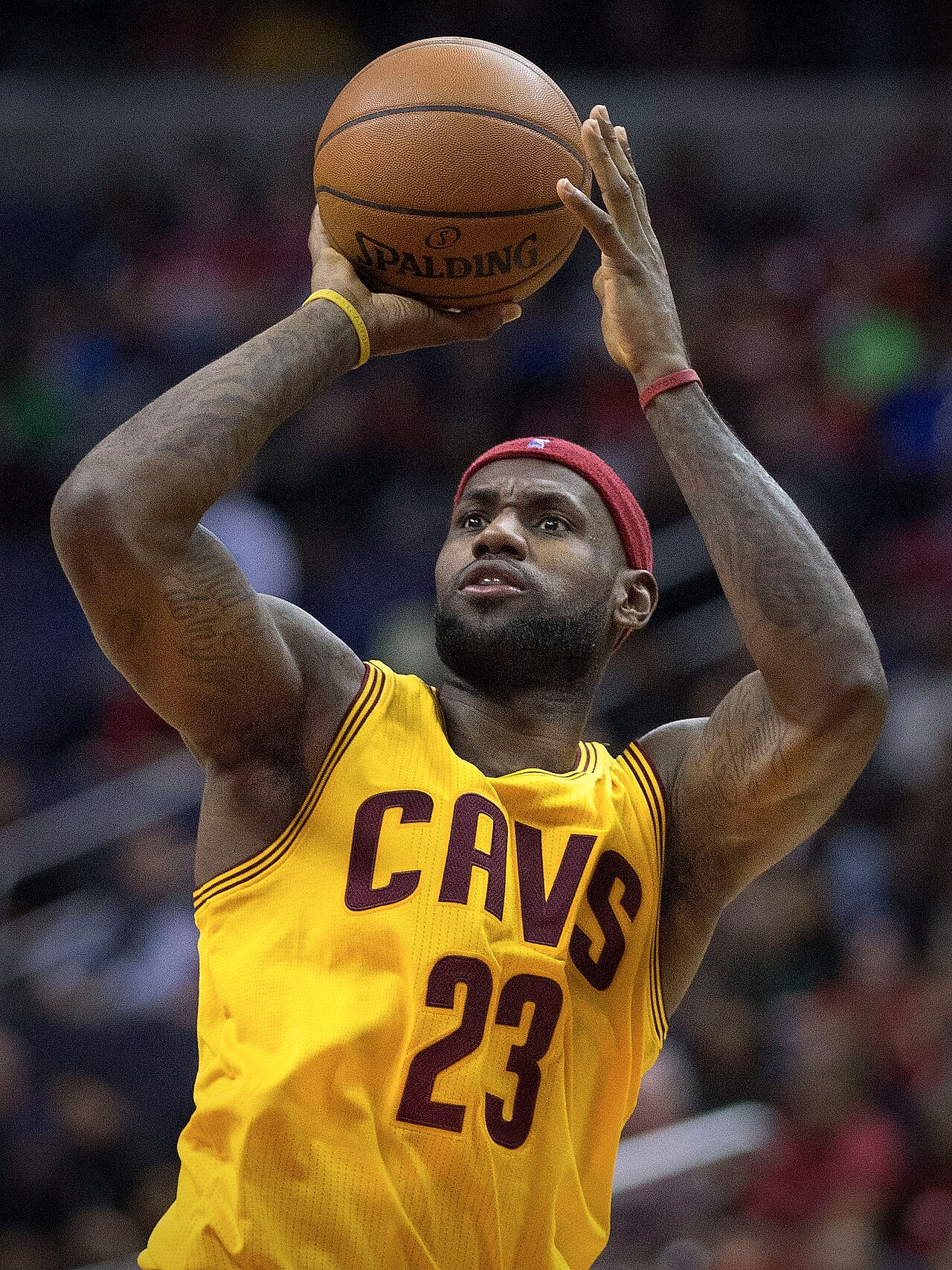
NBA basketball cards come in several distinct types and they are not created equal.
Base cards are the most common. Every set has hundreds of them, one per player, printed in large quantities. A base card of a veteran player is typically worth less than a dollar. Base cards of players who become stars later can appreciate, but that is the exception.
Shop NBA Gear
As an Amazon Associate we earn from qualifying purchases.
Rookie cards are the first official licensed cards issued for a player in their debut season. These are what drive the hobby. A Victor Wembanyama rookie, a Jayson Tatum rookie from his first year, an Anthony Edwards rookie from his rookie season, these hold value because they exist in a fixed quantity, they represent the beginning of a career, and demand grows as the career does.
Parallel cards are alternate versions of base and rookie cards, printed in lower quantities and distinguished by a different color treatment or foil finish. A base Wembanyama might be printed in quantities of 1,000 or more. A gold parallel of the same card might be numbered to 10. The lower the print run, the higher the value.
Autograph cards have the player’s signature directly on the card, either on-card (signed before printing, cleanest result) or sticker (a signed sticker applied to the card surface, more common at lower price points). On-card autos command a premium.
Graded cards have been submitted to a professional grading service, authenticated, and given a numerical grade from 1 to 10. A PSA 10 is a perfect card. Graded cards are encased in a clear protective slab that certifies the grade and prevents future damage.
Where to Start: The Blaster Box
A blaster box is the right entry point. Around $20-30, it contains 8-10 packs of cards and occasionally delivers short-print rookies, low-numbered parallels, or autographs worth significantly more than the box cost. Most pulls are base cards. That is the hobby.
Panini NBA Hoops is the most accessible set for beginners. Clean photography, solid base design, current-season players, widely available on Amazon and at Target. Start here.
NBA Hoops Blaster Box on Amazon
Panini Prizm is the hobby’s flagship set. More expensive and harder to find at retail, but the Prizm name carries the most brand recognition and the most resale value. If you find a Prizm blaster at Target or on Amazon, it is worth picking up.
NBA Prizm Blaster Box on Amazon
Gravity feeds (a box of single packs, around $40-60) and hanger packs ($15-20, three to five packs) hit the same product as blasters in different formats.
Do not start with hobby boxes. A hobby box runs $100-500+ depending on the product and is designed for established collectors who understand the odds. No guaranteed return for a new buyer.
How to Protect Your Cards
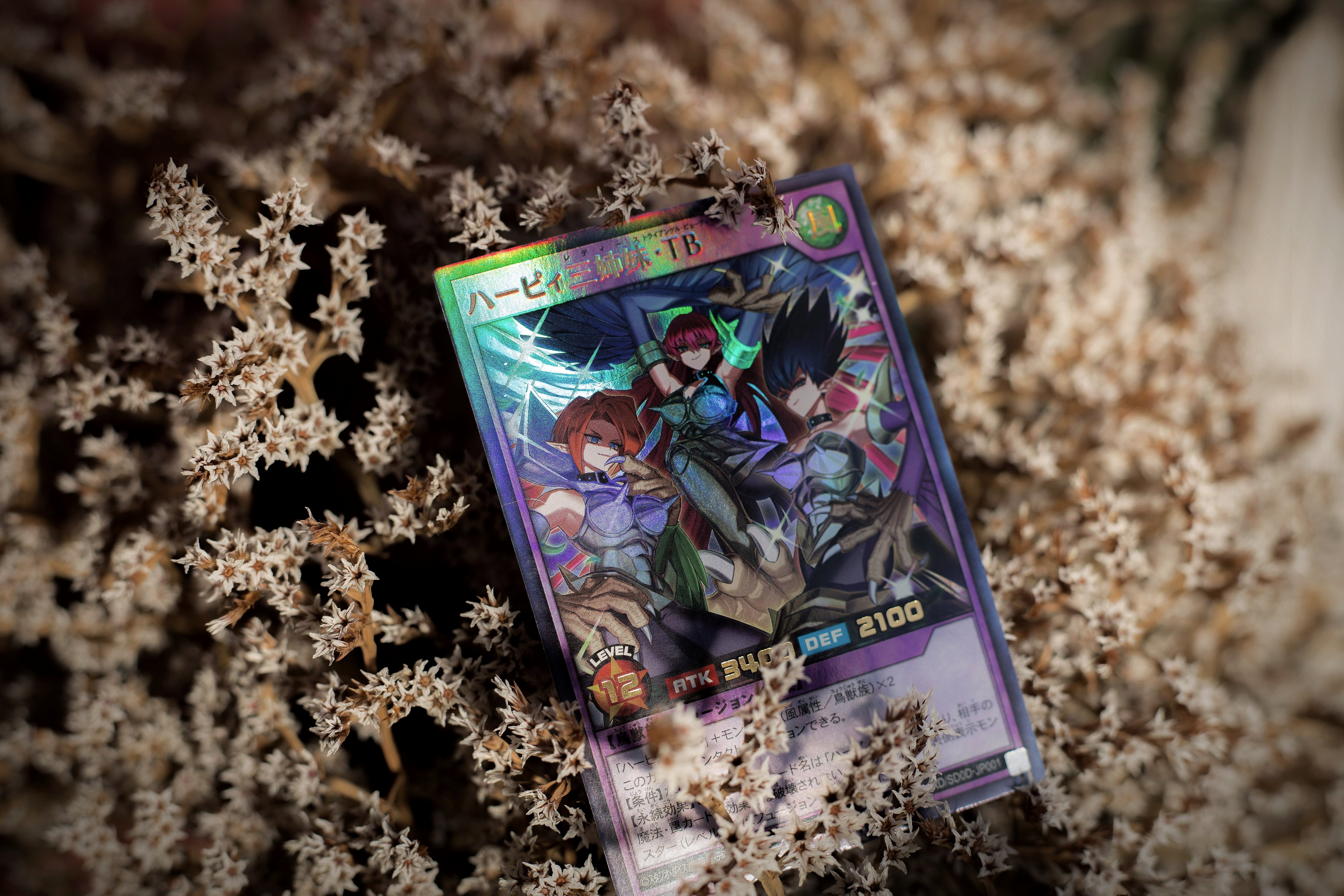
A card deteriorates from the moment you touch it without protection. A mint Wembanyama rookie graded PSA 10 is worth significantly more than one graded PSA 8. The difference is usually how it was handled in the first five minutes after pulling.
Penny sleeves are thin plastic sleeves that cost pennies each. Every card you pull goes into one immediately. They prevent fingerprints and micro-scratches from stacking.
Toploaders are rigid plastic cases that hold the sleeved card and prevent bending. Around $15-20 for a pack of 25 on Amazon. Any rookie or numbered card goes directly into a penny sleeve and then a toploader before anything else.
Card storage boxes hold the base cards you are keeping but not displaying. BCW and Ultra Pro make standard cardboard boxes that hold 800-1,600 cards each and cost $2-5.
Graded card display frames are for the cards you want to show. The Ultra Pro 9-slot wall frame holds PSA and BGS-graded slabs securely.
Ultra Pro Platinum Card Sleeves on Amazon
9-Card Graded Display Frame on Amazon
What Makes a Card Valuable
Three variables drive value: player, condition, and print run.
Player value is straightforward. LeBron James, Stephen Curry, Nikola Jokic, Giannis Antetokounmpo, Victor Wembanyama. The more significant the career, the more demand there is for early cards.
Condition is graded on the PSA 1-10 scale. Corners must be sharp, surface must be clean, centering must be near-perfect. A PSA 10 can be worth three to ten times more than a PSA 8 of the same card, depending on the player. How you handle a card from the moment you pull it determines which grade it can reach.
Print run is the numbered quantity printed on the card: /10, /25, /49, /99, /199. A gold parallel numbered to 10 is rarer than a silver numbered to 99, and the market prices them accordingly. An uncirculated rookie with a low print run from a player who becomes an MVP is what the entire hobby is built around finding.
Grading Services
If you pull something significant, submitting it for grading is worth considering. The two main services are PSA (Professional Sports Authenticator) and Beckett (BGS).
PSA is the more liquid market. PSA-graded cards trade more easily and typically at higher prices than equivalent BGS grades on the same card. A PSA 10 commands a premium over a Beckett 9.5 on identical cards in most cases.
Submission costs and turnaround times vary by tier and change frequently. Check PSA’s current fee schedule at psacard.com before submitting. Only grade cards that are likely worth more graded than the submission cost.
Where to Buy
Amazon has the most consistent retail stock. Target and Walmart carry the same products but restock irregularly. For sealed product, Amazon is the more reliable option. Buying cards as a gift? The NBA fan gift guide covers blaster boxes alongside books, shoes, and equipment across every price range.
Sources
- PSA, grading standards, population report, and submission guide
- Beckett, card grading and pricing reference
- Amazon: retail card products and collecting supplies
Shop NBA Gear at Fanatics
As a Fanatics affiliate, we may earn a commission from qualifying purchases.
Shop on Amazon
As an Amazon Associate, we earn from qualifying purchases.
Shop Basketball Shoes at JD Sports
We may earn a commission from qualifying purchases on JD Sports.