Every NBA MVP in order (1955–56 to 2024–25)
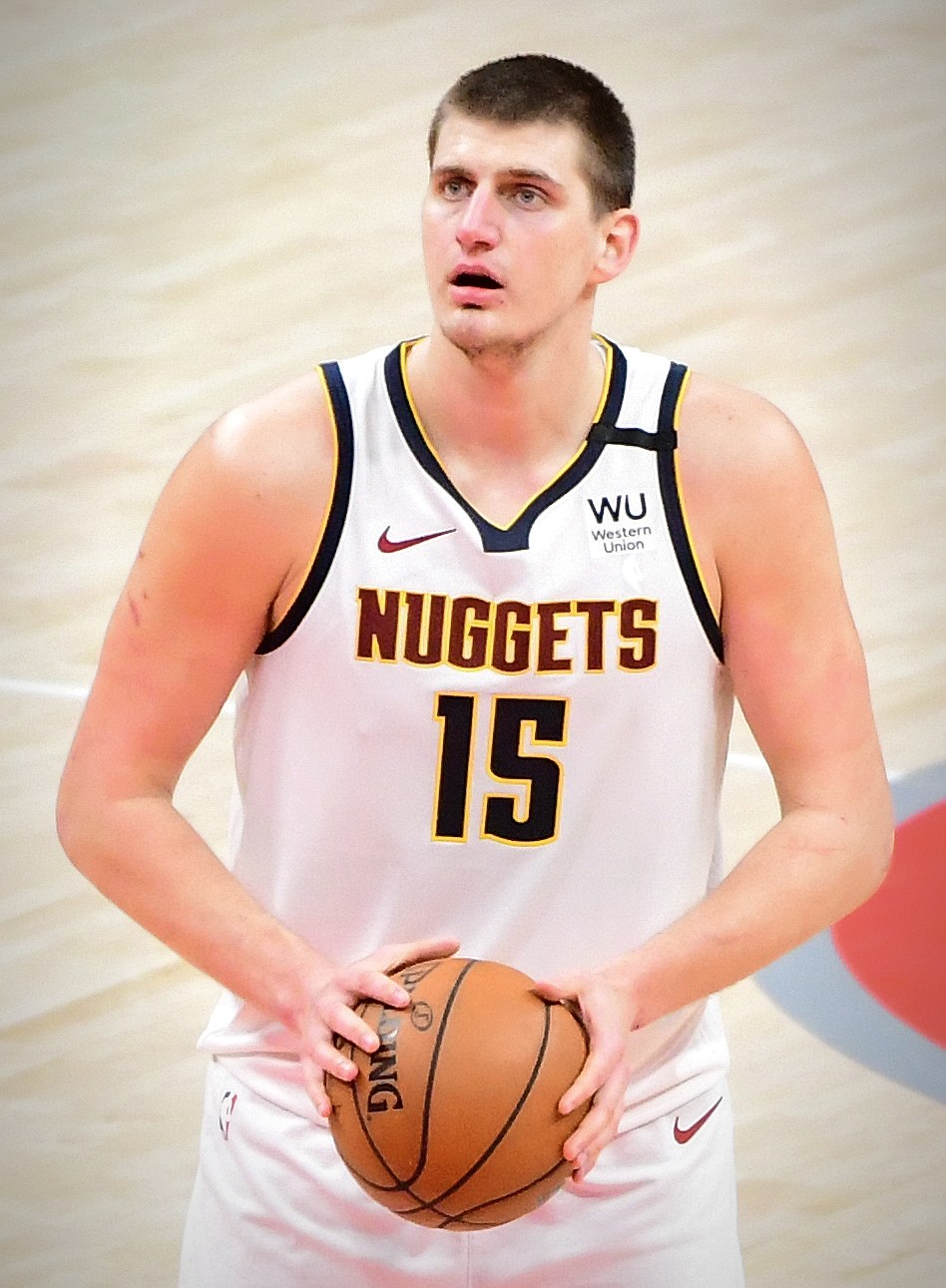
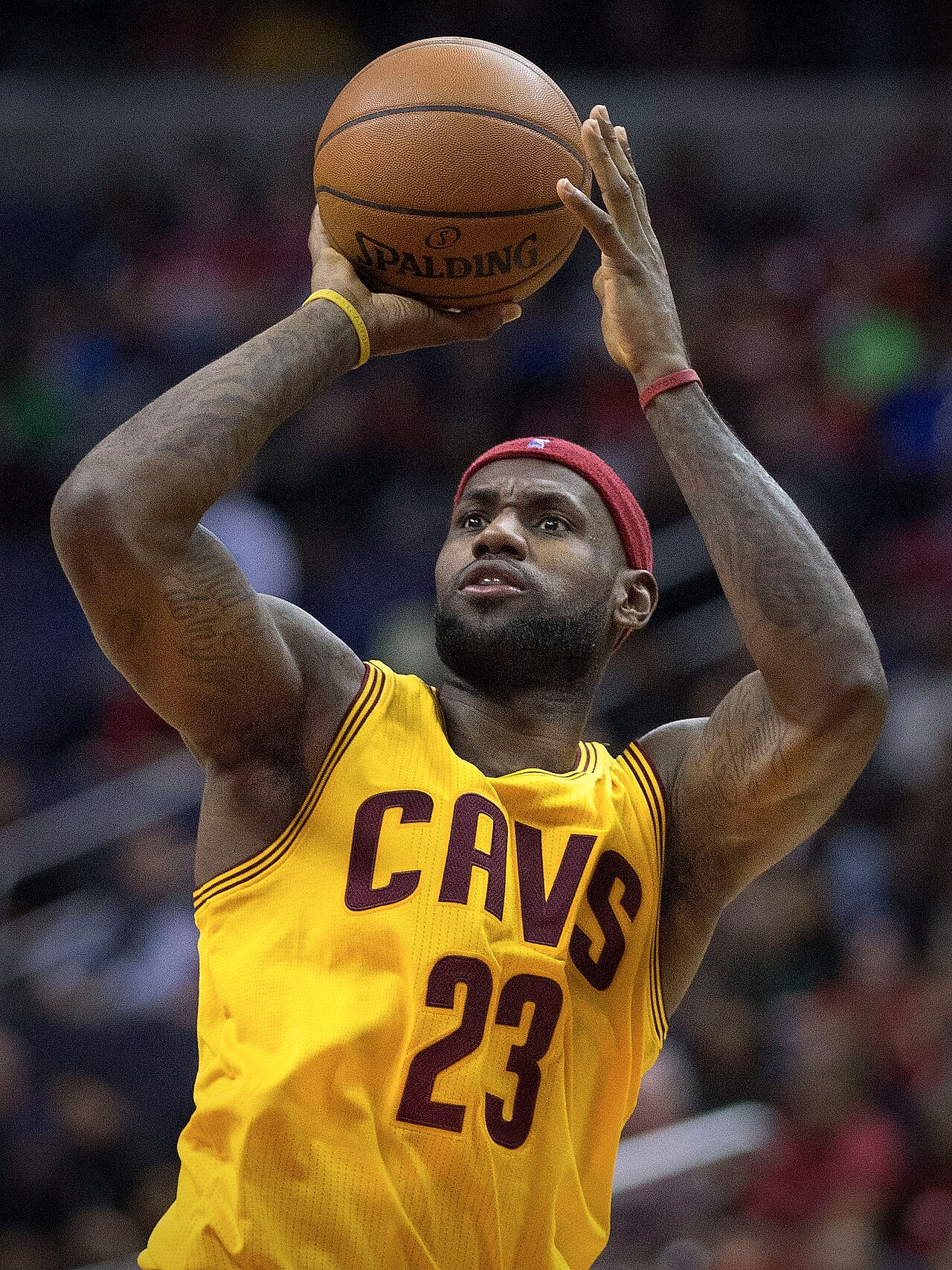
The NBA Most Valuable Player Award, first given for the 1955–56 regular season, is the league’s oldest individual honor and the cleanest single measure of era-by-era basketball talent distribution. Sixty-nine winners, thirty-seven distinct players. Twelve players have won it more than once. Eight have won it at least three times. The voting has been by sportswriter panel since the award began and shifted to a 100-journalist panel in 1980; the NBA Players Association’s MVP vote existed briefly from 1962 to 1980 but was retired.
The full list follows, in order. Then a set of aggregates the list makes visible at a glance.
The full list, 1955–56 to 2024–25
| Season | MVP | Team |
|---|---|---|
| 1955–56 | Bob Pettit | St. Louis Hawks |
| 1956–57 | Bob Cousy | Boston Celtics |
| 1957–58 | Bill Russell | Boston Celtics |
| 1958–59 | Bob Pettit | St. Louis Hawks |
| 1959–60 | Wilt Chamberlain | Philadelphia Warriors |
| 1960–61 | Bill Russell | Boston Celtics |
| 1961–62 | Bill Russell | Boston Celtics |
| 1962–63 | Bill Russell | Boston Celtics |
| 1963–64 | Oscar Robertson | Cincinnati Royals |
| 1964–65 | Bill Russell | Boston Celtics |
| 1965–66 | Wilt Chamberlain | Philadelphia 76ers |
| 1966–67 | Wilt Chamberlain | Philadelphia 76ers |
| 1967–68 | Wilt Chamberlain | Philadelphia 76ers |
| 1968–69 | Wes Unseld | Baltimore Bullets |
| 1969–70 | Willis Reed | New York Knicks |
| 1970–71 | Kareem Abdul-Jabbar (as Lew Alcindor) | Milwaukee Bucks |
| 1971–72 | Kareem Abdul-Jabbar | Milwaukee Bucks |
| 1972–73 | Dave Cowens | Boston Celtics |
| 1973–74 | Kareem Abdul-Jabbar | Milwaukee Bucks |
| 1974–75 | Bob McAdoo | Buffalo Braves |
| 1975–76 | Kareem Abdul-Jabbar | Los Angeles Lakers |
| 1976–77 | Kareem Abdul-Jabbar | Los Angeles Lakers |
| 1977–78 | Bill Walton | Portland Trail Blazers |
| 1978–79 | Moses Malone | Houston Rockets |
| 1979–80 | Kareem Abdul-Jabbar | Los Angeles Lakers |
| 1980–81 | Julius Erving | Philadelphia 76ers |
| 1981–82 | Moses Malone | Houston Rockets |
| 1982–83 | Moses Malone | Philadelphia 76ers |
| 1983–84 | Larry Bird | Boston Celtics |
| 1984–85 | Larry Bird | Boston Celtics |
| 1985–86 | Larry Bird | Boston Celtics |
| 1986–87 | Magic Johnson | Los Angeles Lakers |
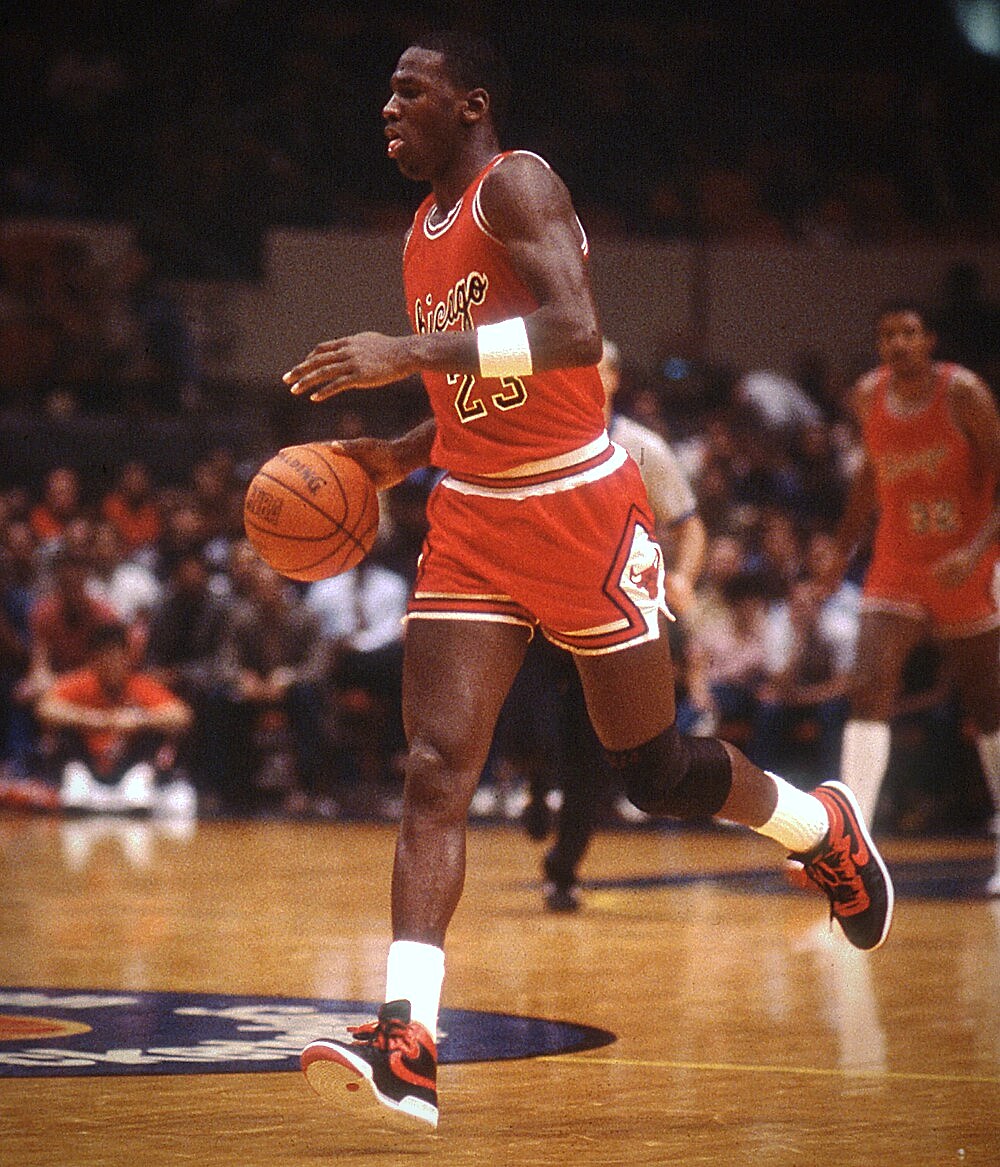
| 1987–88 | Michael Jordan | Chicago Bulls |
| 1988–89 | Magic Johnson | Los Angeles Lakers |
| 1989–90 | Magic Johnson | Los Angeles Lakers |
| 1990–91 | Michael Jordan | Chicago Bulls |
| 1991–92 | Michael Jordan | Chicago Bulls |
| 1992–93 | Charles Barkley | Phoenix Suns |
| 1993–94 | Hakeem Olajuwon | Houston Rockets |
| 1994–95 | David Robinson | San Antonio Spurs |
| 1995–96 | Michael Jordan | Chicago Bulls |
| 1996–97 | Karl Malone | Utah Jazz |
| 1997–98 | Michael Jordan | Chicago Bulls |
| 1998–99 | Karl Malone | Utah Jazz |
| 1999–2000 | Shaquille O’Neal | Los Angeles Lakers |
| 2000–01 | Allen Iverson | Philadelphia 76ers |
| 2001–02 | Tim Duncan | San Antonio Spurs |
| 2002–03 | Tim Duncan | San Antonio Spurs |
| 2003–04 | Kevin Garnett | Minnesota Timberwolves |
| 2004–05 | Steve Nash | Phoenix Suns |
| 2005–06 | Steve Nash | Phoenix Suns |
| 2006–07 | Dirk Nowitzki | Dallas Mavericks |
| 2007–08 | Kobe Bryant | Los Angeles Lakers |
| 2008–09 | LeBron James | Cleveland Cavaliers |
| 2009–10 | LeBron James | Cleveland Cavaliers |
| 2010–11 | Derrick Rose | Chicago Bulls |
| 2011–12 | LeBron James | Miami Heat |
| 2012–13 | LeBron James | Miami Heat |
| 2013–14 | Kevin Durant | Oklahoma City Thunder |
| 2014–15 | Stephen Curry | Golden State Warriors |
| 2015–16 | Stephen Curry | Golden State Warriors |
| 2016–17 | Russell Westbrook | Oklahoma City Thunder |
| 2017–18 | James Harden | Houston Rockets |
| 2018–19 | Giannis Antetokounmpo | Milwaukee Bucks |
| 2019–20 | Giannis Antetokounmpo | Milwaukee Bucks |
| 2020–21 | Nikola Jokić | Denver Nuggets |
| 2021–22 | Nikola Jokić | Denver Nuggets |
| 2022–23 | Joel Embiid | Philadelphia 76ers |
| 2023–24 | Nikola Jokić | Denver Nuggets |
| 2024–25 | Shai Gilgeous-Alexander | Oklahoma City Thunder |
The short list: players with at least three MVPs
| Player | MVPs | Years |
|---|---|---|
| Kareem Abdul-Jabbar | 6 | 1971, 1972, 1974, 1976, 1977, 1980 |
| Bill Russell | 5 | 1958, 1961, 1962, 1963, 1965 |
| Michael Jordan | 5 | 1988, 1991, 1992, 1996, 1998 |
| LeBron James | 4 | 2009, 2010, 2012, 2013 |
| Wilt Chamberlain | 4 | 1960, 1966, 1967, 1968 |
| Moses Malone | 3 | 1979, 1982, 1983 |
| Larry Bird | 3 | 1984, 1985, 1986 |
| Magic Johnson | 3 | 1987, 1989, 1990 |
| Nikola Jokić | 3 | 2021, 2022, 2024 |
Nine players. Four active in the 1960s, three active in the 1980s, and two active in the 2010s–2020s. No player from the 1990s has three MVPs (Jordan has five but we group him with the late 1980s and 1990s; he is the only 1990s winner with more than two). No player from the 2000s has three either, the decade is split between two-time winners (Duncan, Nash, Shaq) and single-time winners (Iverson, Garnett, Nowitzki, Kobe).
Shop NBA Gear
As an Amazon Associate we earn from qualifying purchases.
The absence from the list is as informative as the presence. Shaquille O’Neal, Tim Duncan, Kobe Bryant, Stephen Curry, Steve Nash, Karl Malone, Giannis Antetokounmpo, Kevin Durant, all Hall of Famers, all inner-circle top-twenty players, each have only one or two. This is the cleanest single explanation of what three MVPs means: it is a distinction that tracks with era and voting-fatigue patterns at least as much as with raw talent. The Book of Basketball (Ballantine, 2009) by Bill Simmons builds its Pyramid ranking directly from MVP vote totals and era-adjusted production, and is the best single written argument for how to read the multi-winner list.
MVPs by franchise
| Franchise | Count | Notes |
|---|---|---|
| Boston Celtics | 10 | 5 Russell + 3 Bird + 1 Cousy + 1 Cowens |
| Los Angeles Lakers | 8 | 3 Kareem + 3 Magic + 1 Shaq + 1 Kobe |
| Chicago Bulls | 6 | 5 Jordan + 1 Rose |
| Milwaukee Bucks | 5 | 3 Kareem + 2 Giannis |
| Philadelphia 76ers / Warriors | 6 | 3 Wilt + 1 Moses + 1 Iverson + 1 Embiid |
| Houston Rockets | 4 | 2 Moses + 1 Hakeem + 1 Harden |
| Denver Nuggets | 3 | 3 Jokić |
| San Antonio Spurs | 3 | 2 Duncan + 1 Robinson |
| Phoenix Suns | 3 | 2 Nash + 1 Barkley |
| Oklahoma City Thunder | 3 | 1 Durant + 1 Westbrook + 1 Gilgeous-Alexander |
| Golden State Warriors | 2 | 2 Curry |
| Cleveland Cavaliers | 2 | 2 LeBron |
| Miami Heat | 2 | 2 LeBron |
| Utah Jazz | 2 | 2 Karl Malone |
| St. Louis Hawks | 2 | 2 Pettit |
| Dallas Mavericks | 1 | Nowitzki |
| Minnesota Timberwolves | 1 | Garnett |
| Baltimore Bullets | 1 | Unseld |
| New York Knicks | 1 | Reed |
| Buffalo Braves | 1 | McAdoo |
| Portland Trail Blazers | 1 | Walton |
| Cincinnati Royals | 1 | Robertson |
The Celtics lead because Russell’s five are concentrated in a six-year window (1958–63). The Lakers are second because the team has been championship-contending continuously for almost the entire 69-year history of the award. The Bulls’ six are five Jordans plus Derrick Rose’s 2011, the first-and-only time that year that Chicago’s post-Jordan team was in genuine title contention.
What the decade-by-decade record tells you
1950s (first four seasons of the award): Bob Pettit, Bob Cousy, Bill Russell, Bob Pettit. The league is small, the talent pool is East Coast and St. Louis, and the award functions essentially as a regular-season box-score honor.
1960s: Bill Russell (5), Wilt Chamberlain (3), Oscar Robertson, Wes Unseld, Willis Reed. The two-player dominance of Russell and Chamberlain is clearer in the MVP record than in any other individual-honors record. It is also the era before the ABA–NBA merger (1976), so the talent pool is about 60 percent of what it would be by the late 1970s.
1970s: Kareem Abdul-Jabbar (5), Moses Malone (one, soon to be three), Dave Cowens, Bob McAdoo, Bill Walton. Kareem is the decade’s defining individual record-holder. No player with more than five MVPs in a single decade has come after him.
1980s: Magic Johnson (3), Larry Bird (3), Michael Jordan (one, soon to be five), Moses Malone (two more), Julius Erving. The era is the tightest cluster of inner-circle voting in award history, Bird and Magic split six straight years of MVPs between 1984 and 1990, with Jordan’s 1988 interrupting.
1990s: Michael Jordan (4 of his 5), Hakeem Olajuwon, David Robinson, Karl Malone (2), Charles Barkley. The Jordan-centered decade.
2000s: Tim Duncan (2), Steve Nash (2), Kobe Bryant, Dirk Nowitzki, Allen Iverson, Kevin Garnett, Shaquille O’Neal, LeBron James (one, soon to be four). The most evenly-distributed decade in award history.
2010s: LeBron (3 of his 4), Giannis (2 of his 2 so far), Curry (2), Durant, Westbrook, Harden, Rose. Seven different winners in nine years, the highest rotation of any decade.
2020s (through 2024–25): Jokić (3), Giannis, Embiid, Gilgeous-Alexander. Four-plus-one. The 2024–25 Shai Gilgeous-Alexander selection made him the first Canadian-born MVP in league history, after Steve Nash, who is Canadian but was born in Johannesburg and made the Oklahoma City Thunder the fourth franchise to have produced three different MVPs (Kareem’s Bucks, Jordan’s Bulls, Bird’s Celtics were the prior three).
Unanimous selections
One MVP in league history has been unanimous (every first-place vote): Stephen Curry in 2015–16 (131 of 131 first-place votes), and no one before him. LeBron James in 2012–13 received 120 of 121 first-place votes; a single Boston-based writer, Gary Washburn of the Boston Globe, cast his first-place vote for Carmelo Anthony. The unanimous-Curry line is thus the only one the historical record is aware of.
Award name and trophy
The MVP trophy was renamed the Maurice Podoloff Trophy in 1978, after the NBA’s first commissioner. It was replaced by the Michael Jordan Trophy for the 2022–23 season; the Podoloff Trophy continues to be given annually to the winner of the NBA In-Season Tournament finals MVP. Sponsor branding on the MVP award (“Kia MVP”) began with the 2008–09 season.
The case for what MVP voting actually measures
Looking across all 69 seasons, the pattern is easier to describe after the fact than it is to articulate in advance. MVP voters tend to reward: (a) the best player on the best regular-season team, with a heavy thumb on the “best team” side; (b) a player whose statistical production has just crossed a round-number threshold (Wilt’s 50-point season, Westbrook’s 30-point triple-double season, Jokić’s assists-per-game record); (c) a player whose narrative is “overlooked for years and now finally recognized” (Karl Malone 1997, Dirk 2007, Nash 2005); and (d) a player coming off a particularly dramatic postseason the previous spring.
What MVP voting does not reward reliably: single-player dominance on a losing team (Kobe Bryant’s 2005–06 season at 35.4 points a game finished fourth in the voting). Statistical peaks that don’t correspond to team success (Jokić’s 2020–21 was the first MVP in history given to a sixth-seeded team). Defensive dominance without an obvious box-score hook (Dikembe Mutombo and Dennis Rodman both topped out at the fringe of MVP ballots despite generational defensive seasons).
The award measures less what the name implies and more the interaction between production, team success, and the voting press’s sense of narrative closure in a given year. Taken as a whole, the 69-season record is as clean a map of the league’s individual talent distribution as any honor produces.
Related reading
- Every NBA Finals MVP in order
- Every NBA #1 overall pick
- Michael Jordan biography
- LeBron James biography
- Kareem Abdul-Jabbar biography
- Nikola Jokić biography
Gear
Classic MVP reading and collectibles.
*The Book of Basketball* by Bill Simmons (Ballantine, 2009) →
*11 Rings: The Soul of Success* by Phil Jackson (Penguin, 2013) →
Sources
All cross-referenced against Basketball-Reference and the NBA’s official MVP history page. Vote-total detail for Curry 2015–16 unanimous and LeBron 2012–13 near-unanimous is from the NBA’s press-release archive; the Washburn first-place vote for Anthony is from the Boston Globe’s May 2013 column archive.
Shop NBA Gear at Fanatics
As a Fanatics affiliate, we may earn a commission from qualifying purchases.
Shop on Amazon
As an Amazon Associate, we earn from qualifying purchases.
Shop Basketball Shoes at JD Sports
We may earn a commission from qualifying purchases on JD Sports.