Every NBA Finals MVP in order (1969 to 2025)
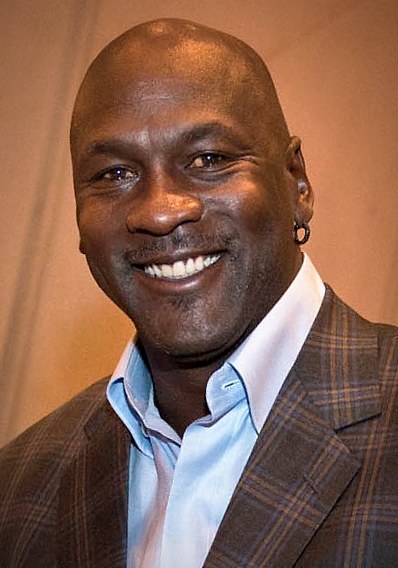
The NBA Finals MVP award has been given 57 times, from 1969 through 2025. Thirty-four different players have won it. Michael Jordan has six, the most in league history. LeBron James has four. Magic Johnson, Shaquille O’Neal, and Tim Duncan have three each. The trophy was officially renamed the Bill Russell NBA Finals Most Valuable Player Award on February 14, 2009, which was Russell’s 75th birthday; the renaming was announced the same day by Commissioner David Stern with Russell on stage at All-Star Weekend. The vote, since the award began, has been by a panel of eleven media members announced after the conclusion of Game 7 or the clinching game. No one has ever declined it.
The full list follows, in order. The multi-winners, the ring-but-no-MVP near-misses, and the two or three most-debated votes are addressed below the table.
The full list, 1969–2025
| Year | Finals MVP | Team | Finals opponent |
|---|---|---|---|
| 1969 | Jerry West | Los Angeles Lakers | Boston Celtics |
| 1970 | Willis Reed | New York Knicks | Los Angeles Lakers |
| 1971 | Lew Alcindor (Kareem Abdul-Jabbar) | Milwaukee Bucks | Baltimore Bullets |
| 1972 | Wilt Chamberlain | Los Angeles Lakers | New York Knicks |
| 1973 | Willis Reed | New York Knicks | Los Angeles Lakers |
| 1974 | John Havlicek | Boston Celtics | Milwaukee Bucks |
| 1975 | Rick Barry | Golden State Warriors | Washington Bullets |
| 1976 | Jo Jo White | Boston Celtics | Phoenix Suns |
| 1977 | Bill Walton | Portland Trail Blazers | Philadelphia 76ers |
| 1978 | Wes Unseld | Washington Bullets | Seattle SuperSonics |
| 1979 | Dennis Johnson | Seattle SuperSonics | Washington Bullets |
| 1980 | Magic Johnson | Los Angeles Lakers | Philadelphia 76ers |
| 1981 | Cedric Maxwell | Boston Celtics | Houston Rockets |
| 1982 | Magic Johnson | Los Angeles Lakers | Philadelphia 76ers |
| 1983 | Moses Malone | Philadelphia 76ers | Los Angeles Lakers |
| 1984 | Larry Bird | Boston Celtics | Los Angeles Lakers |
| 1985 | Kareem Abdul-Jabbar | Los Angeles Lakers | Boston Celtics |
| 1986 | Larry Bird | Boston Celtics | Houston Rockets |
| 1987 | Magic Johnson | Los Angeles Lakers | Boston Celtics |
| 1988 | James Worthy | Los Angeles Lakers | Detroit Pistons |
| 1989 | Joe Dumars | Detroit Pistons | Los Angeles Lakers |
| 1990 | Isiah Thomas | Detroit Pistons | Portland Trail Blazers |
| 1991 | Michael Jordan | Chicago Bulls | Los Angeles Lakers |
| 1992 | Michael Jordan | Chicago Bulls | Portland Trail Blazers |
| 1993 | Michael Jordan | Chicago Bulls | Phoenix Suns |
| 1994 | Hakeem Olajuwon | Houston Rockets | New York Knicks |
| 1995 | Hakeem Olajuwon | Houston Rockets | Orlando Magic |
| 1996 | Michael Jordan | Chicago Bulls | Seattle SuperSonics |
| 1997 | Michael Jordan | Chicago Bulls | Utah Jazz |
| 1998 | Michael Jordan | Chicago Bulls | Utah Jazz |
| 1999 | Tim Duncan | San Antonio Spurs | New York Knicks |
| 2000 | Shaquille O’Neal | Los Angeles Lakers | Indiana Pacers |
| 2001 | Shaquille O’Neal | Los Angeles Lakers | Philadelphia 76ers |
| 2002 | Shaquille O’Neal | Los Angeles Lakers | New Jersey Nets |
| 2003 | Tim Duncan | San Antonio Spurs | New Jersey Nets |
| 2004 | Chauncey Billups | Detroit Pistons | Los Angeles Lakers |
| 2005 | Tim Duncan | San Antonio Spurs | Detroit Pistons |
| 2006 | Dwyane Wade | Miami Heat | Dallas Mavericks |
| 2007 | Tony Parker | San Antonio Spurs | Cleveland Cavaliers |
| 2008 | Paul Pierce | Boston Celtics | Los Angeles Lakers |
| 2009 | Kobe Bryant | Los Angeles Lakers | Orlando Magic |
| 2010 | Kobe Bryant | Los Angeles Lakers | Boston Celtics |
| 2011 | Dirk Nowitzki | Dallas Mavericks | Miami Heat |
| 2012 | LeBron James | Miami Heat | Oklahoma City Thunder |
| 2013 | LeBron James | Miami Heat | San Antonio Spurs |
| 2014 | Kawhi Leonard | San Antonio Spurs | Miami Heat |
| 2015 | Andre Iguodala | Golden State Warriors | Cleveland Cavaliers |
| 2016 | LeBron James | Cleveland Cavaliers | Golden State Warriors |
| 2017 | Kevin Durant | Golden State Warriors | Cleveland Cavaliers |
| 2018 | Kevin Durant | Golden State Warriors | Cleveland Cavaliers |
| 2019 | Kawhi Leonard | Toronto Raptors | Golden State Warriors |
| 2020 | LeBron James | Los Angeles Lakers | Miami Heat |
| 2021 | Giannis Antetokounmpo | Milwaukee Bucks | Phoenix Suns |
| 2022 | Stephen Curry | Golden State Warriors | Boston Celtics |
| 2023 | Nikola Jokić | Denver Nuggets | Miami Heat |
| 2024 | Jaylen Brown | Boston Celtics | Dallas Mavericks |
| 2025 | Shai Gilgeous-Alexander | Oklahoma City Thunder | Indiana Pacers |
The multi-winners
- Michael Jordan, 6. 1991, 1992, 1993, 1996, 1997, 1998. Unanimous in all six votes. The only player in league history with six.
- LeBron James, 4. 2012, 2013 (Miami), 2016 (Cleveland), 2020 (Los Angeles Lakers). The only player to win with three different franchises.
- Magic Johnson, 3. 1980 (as a rookie, the only rookie Finals MVP), 1982, 1987.
- Shaquille O’Neal, 3. 2000, 2001, 2002, with the Lakers’ three-peat.
- Tim Duncan, 3. 1999, 2003, 2005. Covered in detail on [our Tim Duncan biography](/players/tim-duncan/).
- Willis Reed, 2. 1970, 1973. Both with the Knicks.
- Kareem Abdul-Jabbar, 2. 1971 (as Lew Alcindor, Milwaukee) and 1985 (Los Angeles Lakers). The fourteen-year gap between the two is the longest span between an individual player’s first and second Finals MVP awards, and is unlikely to be broken.
- Larry Bird, 2. 1984, 1986.
- Hakeem Olajuwon, 2. 1994, 1995. Both Rockets titles against the 1994 Knicks and 1995 Magic came in Michael Jordan’s baseball absence.
- Kobe Bryant, 2. 2009, 2010. The two titles he won without Shaquille O’Neal.
- Kevin Durant, 2. 2017, 2018. Both against Cleveland. Detail on [our Kevin Durant biography](/players/kevin-durant/).
- Kawhi Leonard, 2. 2014 (San Antonio), 2019 (Toronto). See [our Kawhi Leonard biography](/players/kawhi-leonard/) for the 2019 Game 7 four-bounce buzzer-beater.
Jerry West, 1969
Jerry West remains the only player in the award’s 57-year history to have won Finals MVP as a member of the losing team. His 1969 series performance is one of the central cases in The Book of Basketball (Ballantine, 2009) for why raw Finals MVP hardware understates individual greatness on losing teams. The 1969 Finals went seven games; the Boston Celtics won the deciding game at the Forum in Inglewood on May 5, 1969. West averaged 37.9 points, 7.4 rebounds, and 7.4 assists across the series, shooting 49% from the floor. The eleven-member media panel voted him MVP before knowing what the outcome of Game 7 would be; the award had been announced during halftime of Game 7, and the Lakers then lost, which embarrassed both the league and West personally. The NBA changed the voting rule the following year to delay the vote until the series was complete. No player has won the award on a losing team since.
Shop NBA Gear
As an Amazon Associate we earn from qualifying purchases.
Magic Johnson as a rookie (1980)
Magic Johnson, then 20 years old, started at center for the Lakers in Game 6 of the 1980 Finals because Kareem Abdul-Jabbar was home in California with a sprained ankle. He finished with 42 points, 15 rebounds, and 7 assists. He was the first and only rookie ever to win Finals MVP. The game is the single most-analyzed individual regular-season-to-postseason-transition performance in league history.
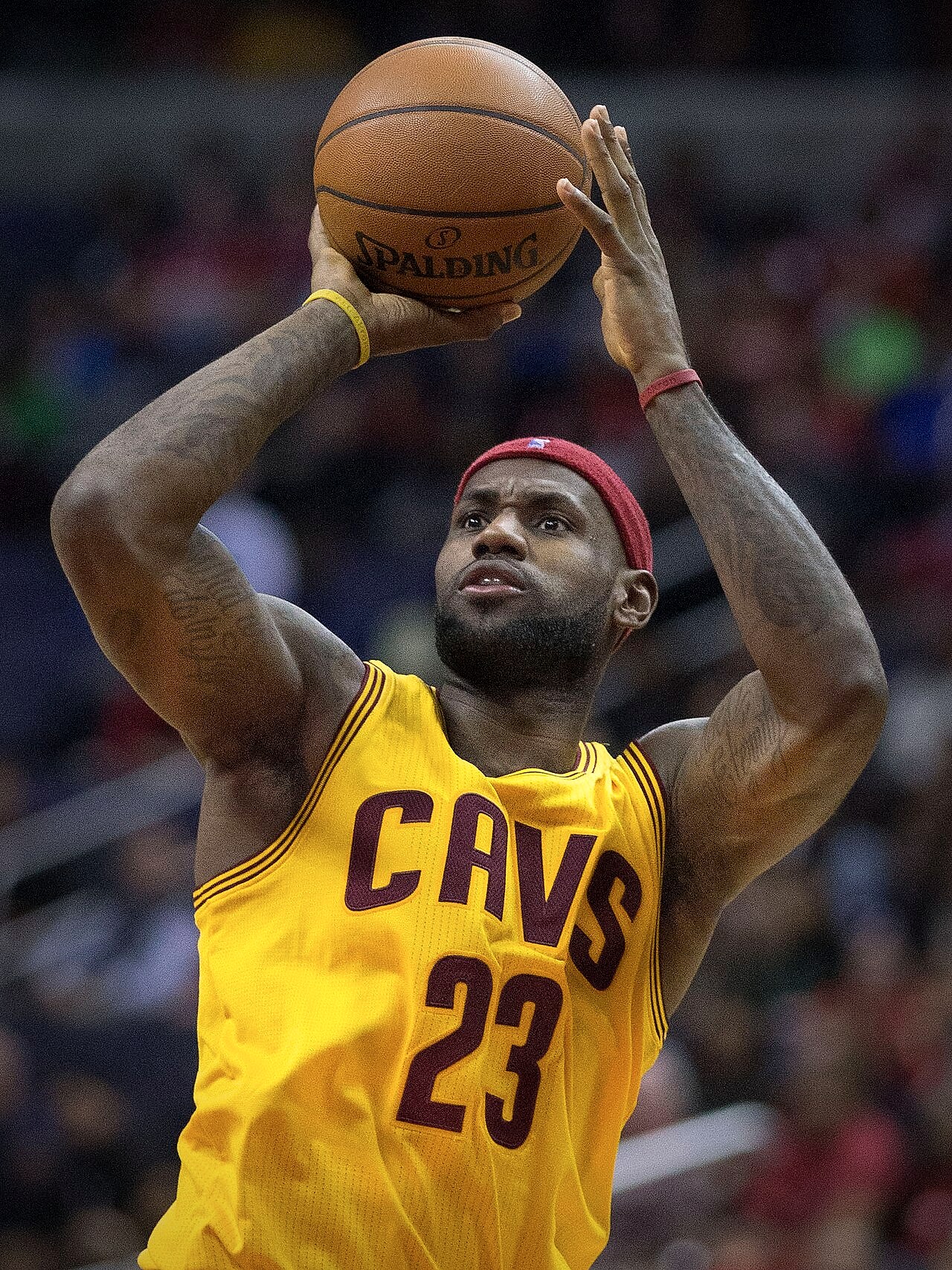
LeBron James across three teams (2012, 2013, 2016, 2020)
LeBron is the only player to win Finals MVP with three different franchises. He won back-to-back titles with Miami in 2012 and 2013, came home to win the 2016 championship from 3-1 down against the 73-win Warriors, and won a fourth Finals MVP in the Orlando bubble in 2020 with the Los Angeles Lakers. No player has won the award with two different franchises in three-plus seasons apart (the 2014/2019 Kawhi Leonard gap of five years is the only other multi-franchise Finals MVP at all).
2008 Paul Pierce vs 2009 Kobe (the vote that might have changed history)
The 2008 Finals is a convention of NBA media debate. Paul Pierce averaged 21.8 points, 4.5 rebounds, and 6.3 assists. Kevin Garnett averaged 18.2 and 13.0. Kendrick Perkins had the highest Finals +/- on the Celtics. The media panel that year gave the MVP to Pierce, which has aged badly in most retrospective surveys because Garnett was the best player of the series and Pierce was, arguably, the best player of Games 1 and 6 only. A 2018 Athletic retrospective ranked the 2008 vote as the single most-reconsidered Finals MVP of the last 25 years; Garnett got 49% of the retrospective vote, Pierce 27%, Ray Allen 17%.
The underappreciated winners
Chauncey Billups, 2004. Beat a Kobe-Shaq Lakers team in five. The most commonly undersold Finals MVP of the 2000s; the Detroit team he led averaged 79 points per game in the series and held the Lakers to 81.
Tony Parker, 2007. A French point guard won the award while Tim Duncan, at 30, had what is still his best per-game postseason line on offense (24.2 points). Parker averaged 24.5 on 56% shooting. He was 25 years old and at the time the only non-American-born Finals MVP. He is still the only European-born guard to win the award.
Andre Iguodala, 2015. The only player to win Finals MVP who started zero regular-season games in the year he won it. Steve Kerr moved him into the starting lineup in Game 4 of the Finals; the Warriors won all three games Iguodala started.
Jaylen Brown, 2024. Led the Celtics in scoring for the five-game series (20.8 ppg), was the series’ best wing defender (primarily on Luka Dončić), and hit the 12-point fourth-quarter run in Game 2 that swung the outcome of the whole Finals. The vote between him and teammate Jayson Tatum was close enough that three of eleven panelists had Tatum first on their ballots. He is the eighth Celtic to win Finals MVP. See our Jayson Tatum biography for the second-star context on that championship team.
Franchise Finals MVP counts
| Franchise | Finals MVPs |
|---|---|
| Los Angeles Lakers | 13 |
| Boston Celtics | 8 |
| Chicago Bulls | 6 |
| San Antonio Spurs | 5 |
| Golden State Warriors | 5 |
| Miami Heat | 3 |
| Detroit Pistons | 3 |
| Houston Rockets | 2 |
| New York Knicks | 2 |
| Washington (Bullets/Wizards) | 1 |
| Portland Trail Blazers | 1 |
| Philadelphia 76ers | 1 |
| Seattle SuperSonics | 1 |
| Dallas Mavericks | 1 |
| Cleveland Cavaliers | 1 |
| Milwaukee Bucks | 2 |
| Toronto Raptors | 1 |
| Denver Nuggets | 1 |
| Oklahoma City Thunder | 1 |
The Los Angeles Lakers alone account for 23% of all Finals MVPs awarded. The Lakers and Celtics together account for 37%.
Which champions did not produce a Finals MVP?
- Bill Russell’s first ten Celtics championships (1957, 1959-1966, 1968, 1969). The award did not exist for Russell’s first ten titles. Russell is widely considered the best player of all ten series. The award was named after him 60 years later, on his 75th birthday in February 2009.
- Many 1950s and pre-1969 Finals. The NBA simply did not have the award. Most retrospective surveys give the de-facto Finals MVP of the 1950s to Bob Pettit (1958, Hawks over Celtics) and George Mikan (1950, 1952, 1953, 1954 Lakers).
How to read this list
The Finals MVP tells you, on average, who the best player on the best team in June was. It does not, by itself, tell you who the best player in the league was, who the most efficient scorer in the league was, or who the best defender on the floor was. Look at it alongside Every NBA MVP in order for the full picture. The overlap (players who won MVP and Finals MVP in the same season) is a short list: Jerry West, Willis Reed, Kareem Abdul-Jabbar (twice), Wes Unseld, Moses Malone, Larry Bird, Magic Johnson, Michael Jordan (five times), Hakeem Olajuwon, Shaquille O’Neal, Tim Duncan (twice), LeBron James, Kevin Durant, Stephen Curry, Giannis Antetokounmpo, Nikola Jokić, and Shai Gilgeous-Alexander. That list is as good a shorthand for “best single season any NBA player has had” as the sport produces.
Gear
Finals history reading and collectibles.
*The Book of Basketball* by Bill Simmons (Ballantine, 2009) →
*Dream Team* by Jack McCallum (Ballantine, 2012) →
Sources
The 1969 Jerry West anomaly is documented in the NBA’s official 1969 Finals recap. The 2008 vote-reconsideration piece is from The Athletic’s June 2018 retrospective by Tim Cato. The 2024 Finals MVP close-vote detail (three first-place votes for Tatum) is from NBA.com’s post-series release. The Finals MVP Trophy naming-for-Russell context is from the February 14, 2009 NBA press release.
Shop NBA Gear at Fanatics
As a Fanatics affiliate, we may earn a commission from qualifying purchases.
Shop on Amazon
As an Amazon Associate, we earn from qualifying purchases.
Shop Basketball Shoes at JD Sports
We may earn a commission from qualifying purchases on JD Sports.